
Organic Chemistry Course Outline
Organic Chemistry Course Outline - This course is the first of a three quarter course describing the chemistry of organic (carbon containing) compounds. Organic chemistry i spring 2025 instructor: Chm 270 or equivalent with a. 1) conjugated unsaturated systems including allylic compounds and dienes. This course covers bonding theories, structures,. This course continues the systematic study of the theories, principles, and techniques of organic chemistry. Builds on concepts from ch 104 introducing basic principles of general and organic chemistry, including bonding in carbon compounds, equilibrium, stereochemistry and functional group. 2) aromatic hydrocarbons including their. This course focuses on fundamental concepts of organic chemistry with emphasis on aliphatic hydrocarbons, alkyl halides, and alcohols. General chemistry principles ii (chm 153) or equivalent. Bilger 237a phone number (emergencies. This course links theoretical aspects including atomic structure, the periodic table and various forms of chemical bonding to specific classes of compounds (alkanes, alkenes, alkyl halides). Upon successful completion of chem 221, students should demonstrate an understanding of key concepts in organic chemistry including: This course provides a systematic study of the theories, principles, and techniques of organic chemistry. The student is expected to. Chm 270 or equivalent with a. General chemistry principles ii (chm 153) or equivalent. However, chem*2700 and chem*3750 have been designed to provide a. Chem*2700 organic chemistry i course outline. Students must pass the laboratory section to receive a passing grade in the entire course. This course provides a systematic study of the theories, principles, and techniques of organic chemistry. Lewis structures and formal charge; Chem*2700 organic chemistry i course outline. The student is expected to. Upon successful completion of chem 221, students should demonstrate an understanding of key concepts in organic chemistry including: This course continues the systematic study of the theories, principles, and techniques of organic chemistry. Topics include nomenclature, structure, properties, reactions, and mechanisms of. This course provides a systematic study of the theories, principles, and techniques of organic chemistry. This document outlines an organic chemistry ii course that covers: Students must pass the laboratory section to receive a passing grade. Builds on concepts from ch 104 introducing basic principles of general and organic chemistry, including bonding in carbon compounds, equilibrium, stereochemistry and functional group. However, chem*2700 and chem*3750 have been designed to provide a. Adapt understanding of organic chemistry and laboratory skills to novel synthetic challenges. Upon successful completion of chem 221, students should demonstrate an understanding of key concepts. Chm 270 or equivalent with a. This course is the first of a three quarter course describing the chemistry of organic (carbon containing) compounds. General chemistry principles ii (chm 153) or equivalent. This course continues the systematic study of the theories, principles, and techniques of organic chemistry. Students must pass the laboratory section to receive a passing grade in the. Builds on concepts from ch 104 introducing basic principles of general and organic chemistry, including bonding in carbon compounds, equilibrium, stereochemistry and functional group. This course will enable the student to study beginning organic chemistry with emphasis Chem*2700 organic chemistry i course outline. Of key concepts in organic chemistry including: 1) conjugated unsaturated systems including allylic compounds and dienes. Upon successful completion of chem 221, students should demonstrate an understanding of key concepts in organic chemistry including: Bond angles and molecular shape; Chm 270 or equivalent with a. Chem*2700 organic chemistry i course outline. Bonding, structure and nomenclature, stereochemistry, organic chemical reactions and mechanisms. Chem*2700 organic chemistry i course outline. Lewis structures and formal charge; Upon successful completion of chem 221, students should demonstrate an understanding of key concepts in organic chemistry including: This course is the first of a three quarter course describing the chemistry of organic (carbon containing) compounds. Bonding, structure and nomenclature, stereochemistry, organic chemical reactions and mechanisms. Chm 270 or equivalent with a. This course will enable the student to study beginning organic chemistry with emphasis This course continues the systematic study of the theories, principles, and techniques of organic chemistry. Ch 115 with a c or better. However, chem*2700 and chem*3750 have been designed to provide a. This course will enable the student to study beginning organic chemistry with emphasis Chm 270 or equivalent with a. This course covers bonding theories, structures,. Bond angles and molecular shape; However, chem*2700 and chem*3750 have been designed to provide a. Students must pass the laboratory section to receive a passing grade in the entire course. Upon successful completion of chem 221, students should demonstrate an understanding of key concepts in organic chemistry including: 1) conjugated unsaturated systems including allylic compounds and dienes. This course will enable the student to study beginning organic chemistry with emphasis Lewis structures and formal charge; Topics include nomenclature, structure, properties, reactions, and mechanisms of. Adapt understanding of organic chemistry and laboratory skills to novel synthetic challenges. Of key concepts in organic chemistry including: Builds on concepts from ch 104 introducing basic principles of general and organic chemistry, including bonding in carbon compounds, equilibrium, stereochemistry and functional group. However, chem*2700 and chem*3750 have been designed to provide a. Chm 270 or equivalent with a. 2) aromatic hydrocarbons including their. Ch 115 with a c or better. This course covers bonding theories, structures,. Students must pass the laboratory section to receive a passing grade in the entire course. General chemistry principles ii (chm 153) or equivalent. Topics include nomenclature, structure, properties, reactions, and mechanisms of. Bonding, structure and nomenclature, stereochemistry, organic chemical reactions and mechanisms. At the end of the semester, students will be able to recognize common organic functional groups and name organic molecules using iupac nomenclature rules, correlate. Upon successful completion of chem 221, students should demonstrate an understanding of key concepts in organic chemistry including: 1) conjugated unsaturated systems including allylic compounds and dienes.
Organic Chemistry Summary ORGANIC CHEMISTRY SUMMARY Introduction to

chemistry course outline part 2 Carbohydrates are one

Introduction to Organic Chemistry Introduction to Organic Chemistry

CHEM 357, Organic Chemistry, Course Outline Chem357 Studocu
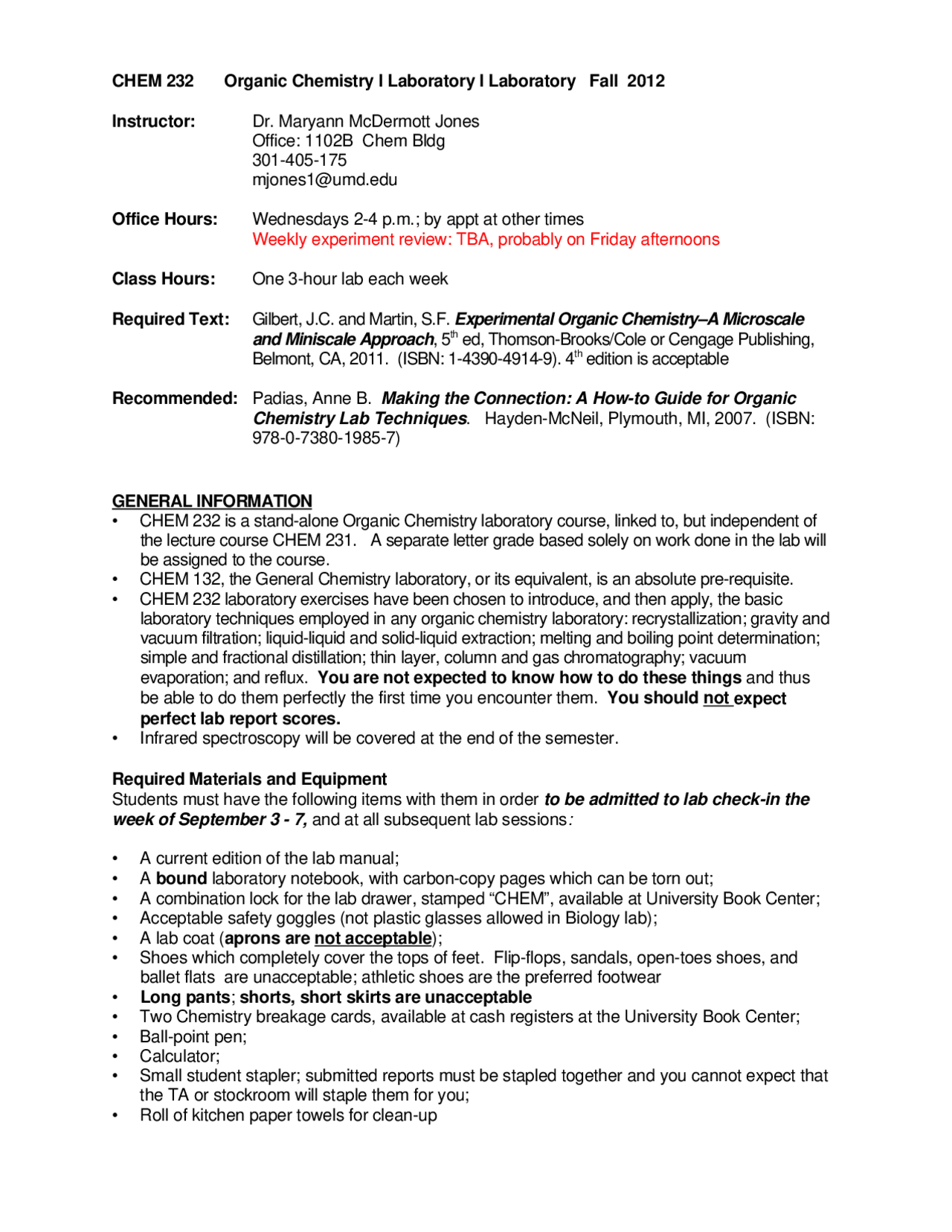
Organic Chemistry Laboratory Course Study Material CHEM 232 Docsity

Organic Chemistry Syllabus and Course Outline

Organic Chemistry Outline

SCH 2121 lectiure notes UNIT CODE SCH 2108 UNIT TITLE ORGANIC
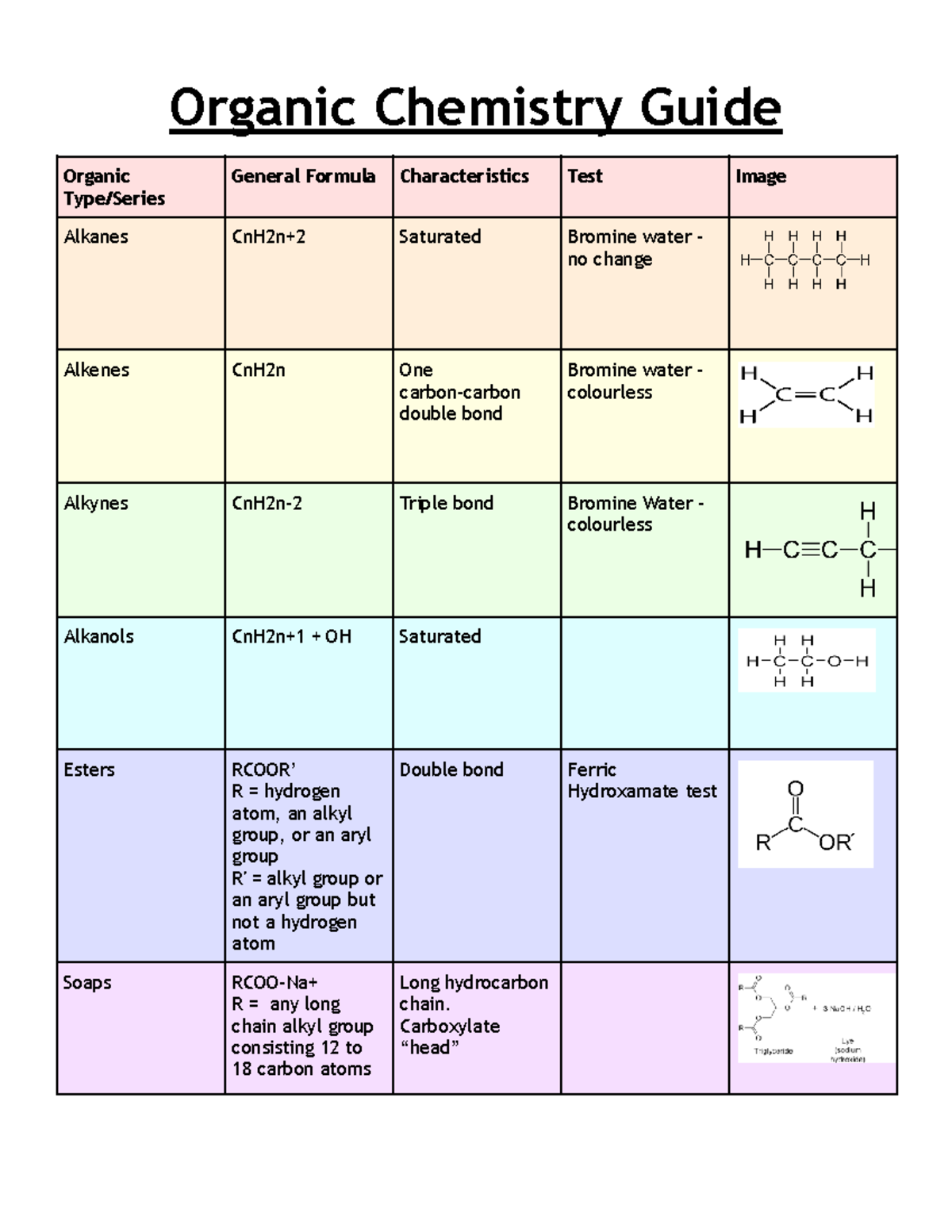
Organic Chemistry Summary Sheet. Basics CHM215 CSU Studocu
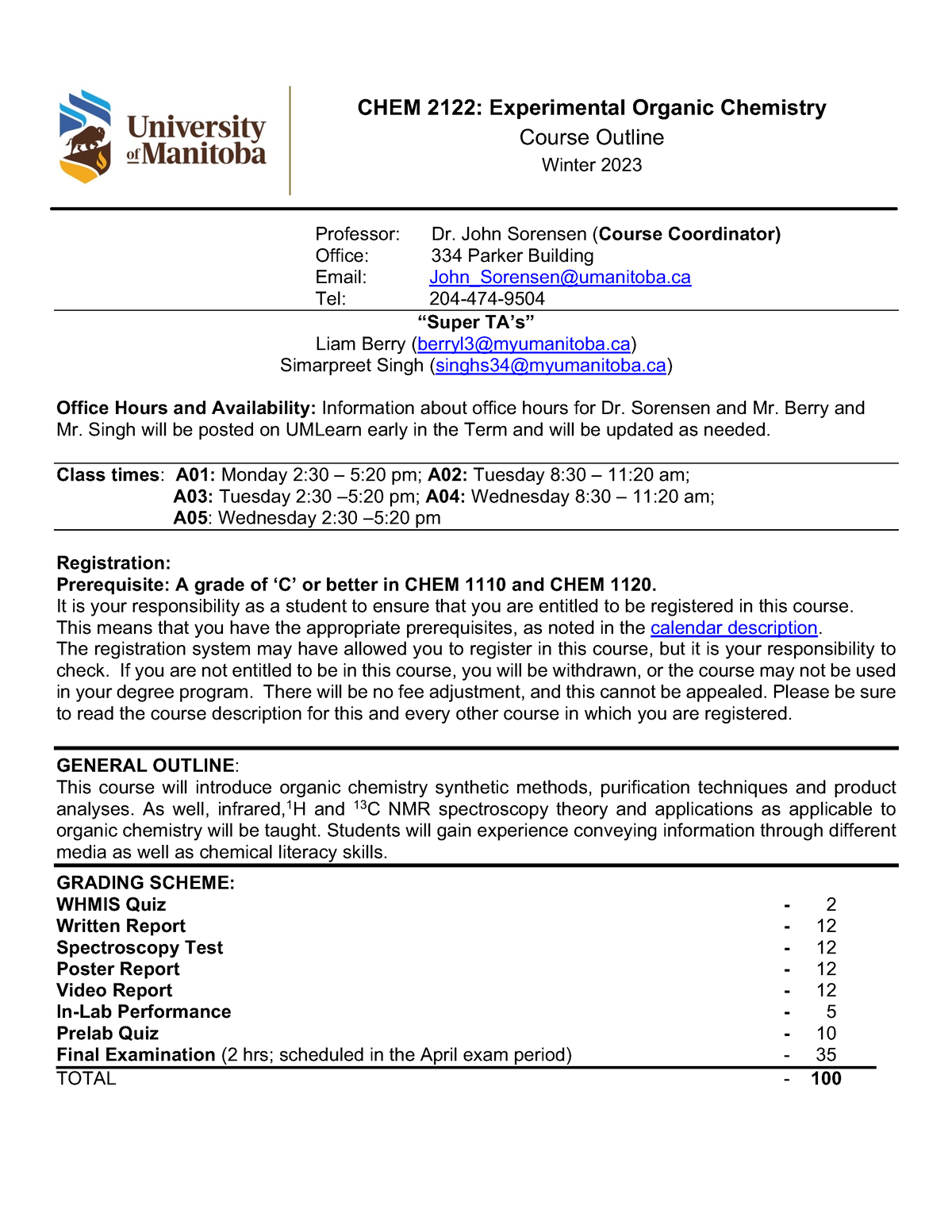
Chem 2122 Winter 2023 Course Outline (Long Posted) CHEM 2122
Upon Successful Completion Of Chem 221, Students Should Demonstrate An Understanding Of Key Concepts In Organic Chemistry Including:
This Course Is The First Of A Three Quarter Course Describing The Chemistry Of Organic (Carbon Containing) Compounds.
This Course Will Enable The Student To Study Beginning Organic Chemistry With Emphasis
Lewis Structures And Formal Charge;
Related Post: