
Math Course Progression
Math Course Progression - The typical progression of math courses in high school usually follows this order (though this may vary slightly depending on your school or district): Math 29 course sequences shown here are for general reference. Over the next few years, high schools will shift from the current algebra i — geometry — algebra ii course progression to two years of integrated algebra that will include. (refer to the fact sheet, “a number of options” for information on. Learn about the course progression in nau’s math department. Before you enroll in a math class,. This is not all possible scenarios. The typical progression of math courses in high school is generally: See which transfer classes count for credit, what classes are prerequisites, and more. Math 2 combines math 1 & d and is a reasonable option for strong math students. The typical progression of math courses in high school varies depending on your starting point and the level of rigor you choose, but here's a general outline for you to consider: Math 56 & 6 math 56 math 60 or or math 56 & 6 math 56 math 60 or or math 56 & 6 math 56 math 60 or or for more information, visit:. (refer to the fact sheet, “a number of options” for information on. The typical math course progression in high school varies a bit depending on your school and the curriculum they follow, but here's a general outline: Network buildinggraduate faster100% online learningexpert faculty Mat 119*, mat 121, mat 125, mat 131, mat 150, sta 270. Calculus (ab or bc if. Your starting point depends on your math placement results and your education plan. Included below you will find the revised course progression, the presentation shared with our families at math information night, and an faq to support students and their families with. The typical progression of math courses in high school is generally: The typical progression of math courses in high school varies depending on your starting point and the level of rigor you choose, but here's a general outline for you to consider: Included below you will find the revised course progression, the presentation shared with our families at math information night, and an faq to support students and their families with.. Learn about the course progression in nau’s math department. (refer to the fact sheet, “a number of options” for information on. Before you enroll in a math class,. The typical progression of math courses in high school varies depending on your starting point and the level of rigor you choose, but here's a general outline for you to consider: The. Mat 119*, mat 121, mat 125, mat 131, mat 150, sta 270. Before you enroll in a math class,. Learn about the course progression in nau’s math department. Math 56 & 6 math 56 math 60 or or math 56 & 6 math 56 math 60 or or math 56 & 6 math 56 math 60 or or for more. The mathematics department of santa monica college has created a variety of courses in particular sequences designed to serve as many students as possible. The typical progression of math courses in high school usually follows this order (though this may vary slightly depending on your school or district): As an education reform expert focused on improving math outcomes, i‘m often. Math 2 combines math 1 & d and is a reasonable option for strong math students. As an education reform expert focused on improving math outcomes, i‘m often asked by parents and students to demystify the progression of high school math. Ap = college level (advanced placement) comprehensive math courses are also available for students. Math 56 & 6 math. The typical progression of math courses in high school varies depending on your starting point and the level of rigor you choose, but here's a general outline for you to consider: Approved transfer credit for mat 110 is a sufficient prerequisite for the following courses: Learn about the course progression in nau’s math department. Typical high school math course sequences.. Below are typical course sequences for taking mathematics in high school. The typical progression of math courses in high school usually follows this order (though this may vary slightly depending on your school or district): Approved transfer credit for mat 110 is a sufficient prerequisite for the following courses: Mat 119*, mat 121, mat 125, mat 131, mat 150, sta. Calculus (ab or bc if. The typical progression of math courses in high school usually follows this order (though this may vary slightly depending on your school or district): The mathematics department of santa monica college has created a variety of courses in particular sequences designed to serve as many students as possible. Below are typical course sequences for taking. As an education reform expert focused on improving math outcomes, i‘m often asked by parents and students to demystify the progression of high school math. Ap = college level (advanced placement) comprehensive math courses are also available for students. This is not all possible scenarios. Math 56 & 6 math 56 math 60 or or math 56 & 6 math. The typical progression of math courses in high school varies depending on your starting point and the level of rigor you choose, but here's a general outline for you to consider: Included below you will find the revised course progression, the presentation shared with our families at math information night, and an faq to support students and their families with.. As an education reform expert focused on improving math outcomes, i‘m often asked by parents and students to demystify the progression of high school math. Math 2 combines math 1 & d and is a reasonable option for strong math students. Approved transfer credit for mat 110 is a sufficient prerequisite for the following courses: The typical progression of math courses in high school is generally: It is recommended that students take math 3a before math 19. Learn about the course progression in nau’s math department. Typical high school math course sequences. Below are typical course sequences for taking mathematics in high school. Math 29 course sequences shown here are for general reference. Your starting point depends on your math placement results and your education plan. The typical math course progression in high school varies a bit depending on your school and the curriculum they follow, but here's a general outline: The typical progression of math courses in high school varies depending on your starting point and the level of rigor you choose, but here's a general outline for you to consider: (refer to the fact sheet, “a number of options” for information on. Over the next few years, high schools will shift from the current algebra i — geometry — algebra ii course progression to two years of integrated algebra that will include. The typical progression of math courses in high school usually follows this order (though this may vary slightly depending on your school or district): Ap = college level (advanced placement) comprehensive math courses are also available for students.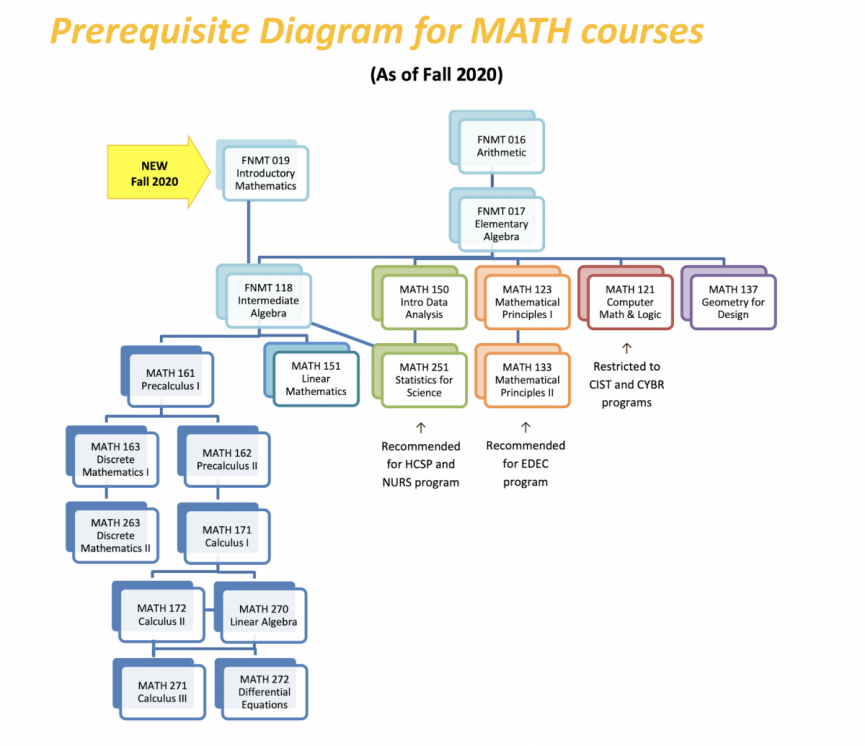
Math Course Progression Community College of Philadelphia

Mathematic Course Map
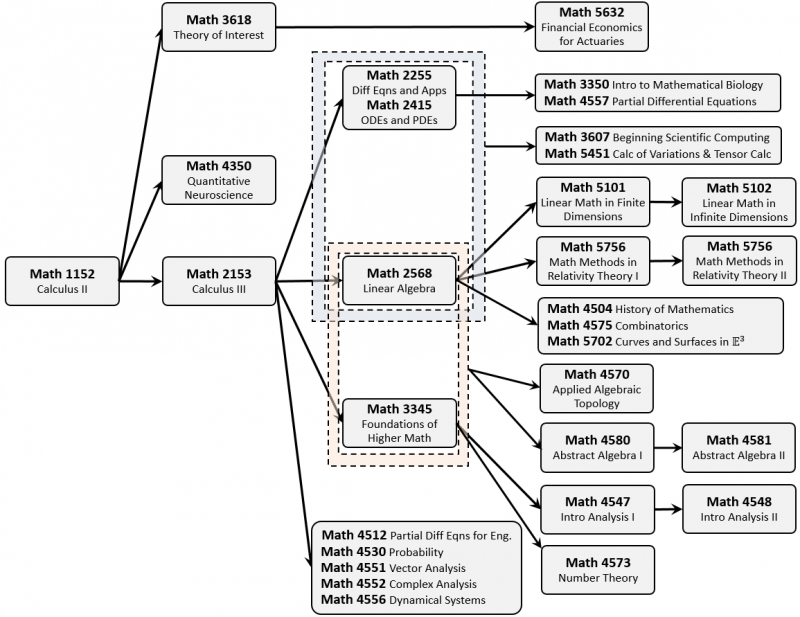
Math Course Progression Department of Mathematics
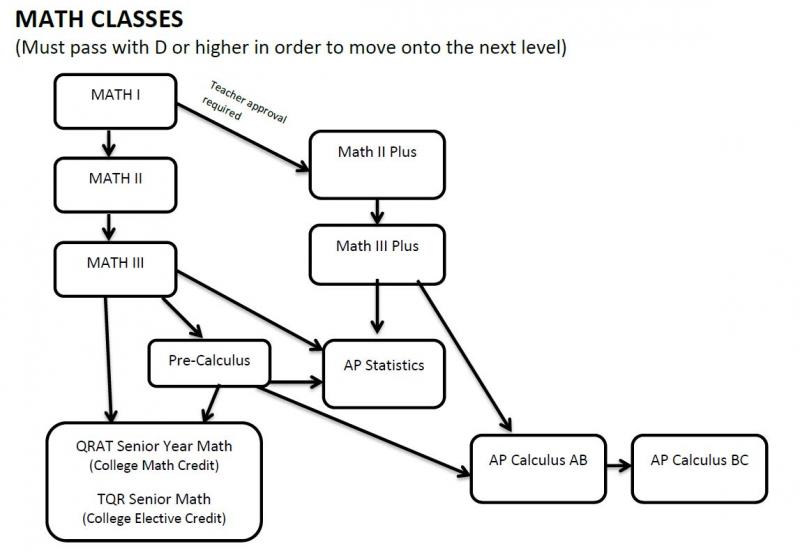
Math Progression Chart John F. Kennedy High School
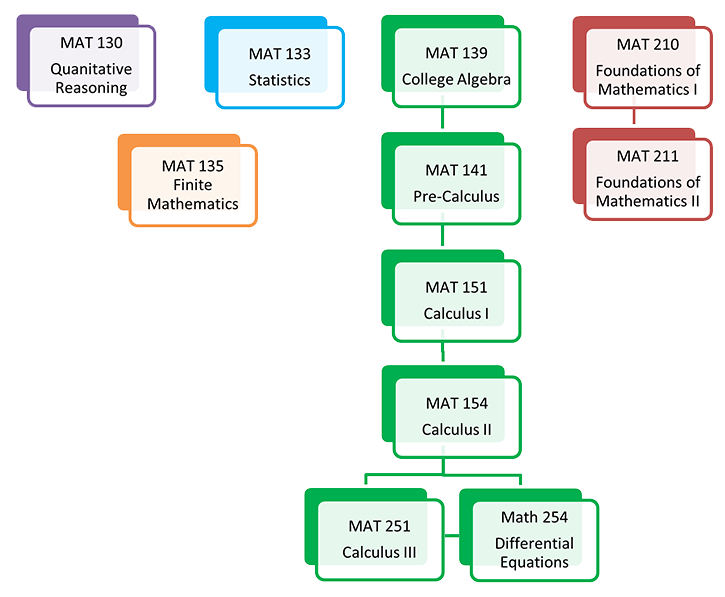
Math Course Levels at Cristopher Robertson blog
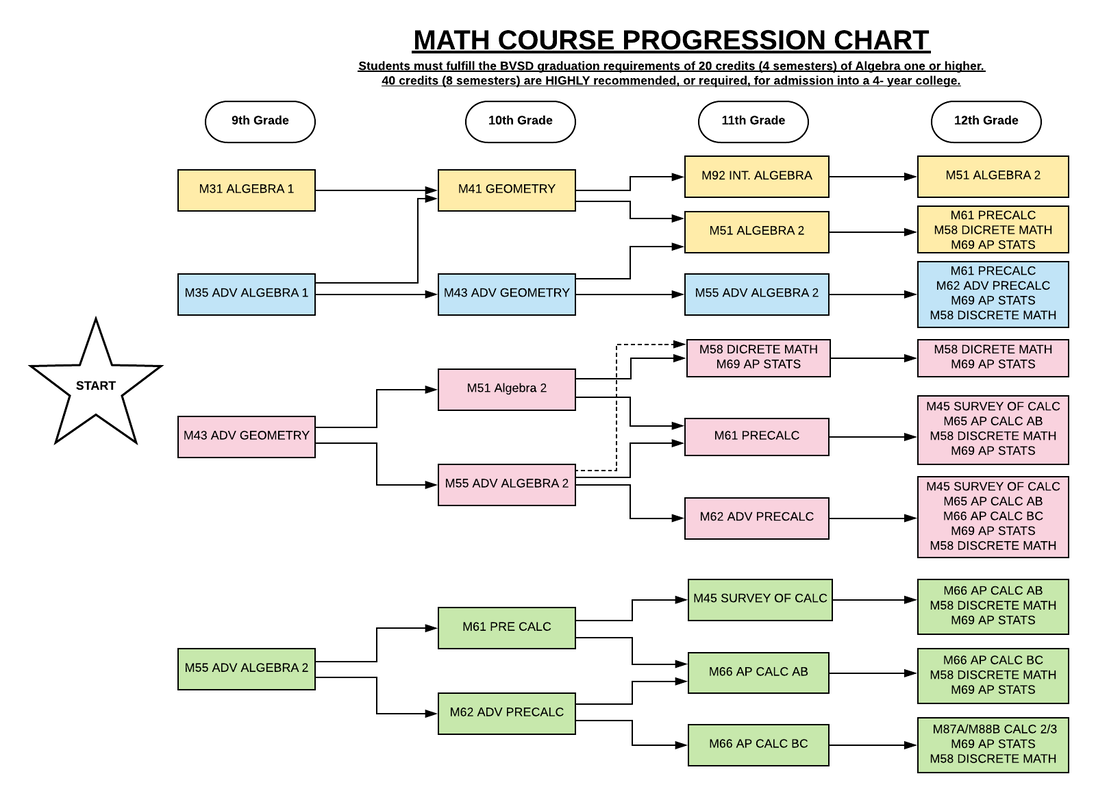
Math Progression MONARCH HIGH SCHOOL COUNSELING DEPARTMENT

Mathematics College of Western Idaho
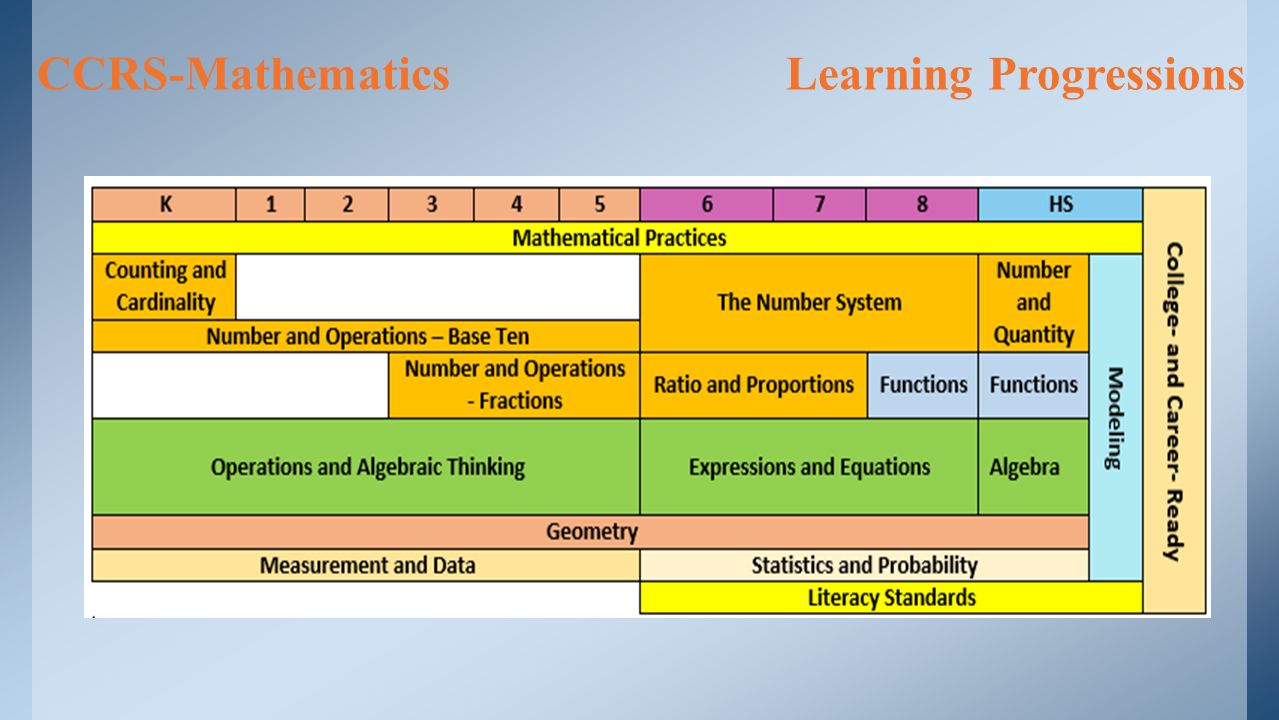
Math Learning Progression Chart A Visual Reference of Charts Chart

Mathematics and Statistics Courses Progression Paths Download
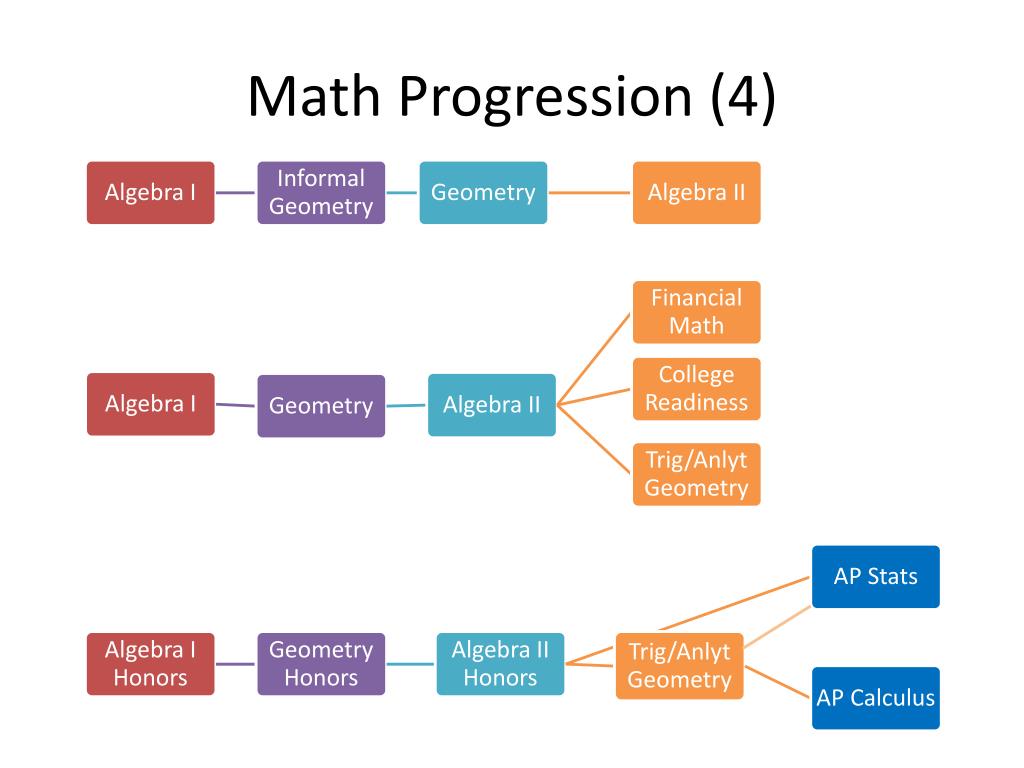
PPT Eustis High School Course Progression and Sequencing PowerPoint
Network Buildinggraduate Faster100% Online Learningexpert Faculty
Information Technology · Statistics · Calculus · Business Management
The Mathematics Department Of Santa Monica College Has Created A Variety Of Courses In Particular Sequences Designed To Serve As Many Students As Possible.
Included Below You Will Find The Revised Course Progression, The Presentation Shared With Our Families At Math Information Night, And An Faq To Support Students And Their Families With.
Related Post: