
Field Sanitation Course Army
Field Sanitation Course Army - Chris mullinax, the top enlisted soldier for the army’s operations, planning and training department, said reducing hours spent on mandatory online. The identification and assessment of hazard (first 2 steps in the risk management process) to unit fields sanitation teams (primary/ alternate). Monitor the status of pmm as they pertain to the medical threat. To ensure that every deployable unit is properly trained in field sanitation each company is required to have a noncommissioned officer and junior enlisted soldier trained as. This course will cover basic, informative knowledge and practical training necessary to keep. Control arthropods and other animals in the unit area. Information is presented in a structured sequence learning environment. Army field sanitation training certification course at camp lemonnier, djibouti. Field sanitation team training provides formal training to unit level field sanitation members. Assist in the selection and construction of all waste disposal devices. To ensure that every deployable unit is properly trained in field sanitation each company is required to have a noncommissioned officer and junior enlisted soldier trained as. The field sanitation course for the army empowers soldiers with the knowledge and skills to maintain hygiene and sanitation in military operations. Field sanitation team training provides formal training to unit level field sanitation members. The identification and assessment of hazard (first 2 steps in the risk management process) to unit fields sanitation teams (primary/ alternate). Whether you need training for your frontline team or food safety leadership, we. Control arthropods and other animals in the unit area. Sanitation, good manufacturing practice (gmp), and microbiology all play an important role in food safety. 5 step process to identify and control hazards. This course will cover basic, informative knowledge and practical training necessary to keep. This course is designed to introduce and prepare students to meet the requirements needed to be a field sanitation. Every fst member will be trained and certified in field sanitation by supporting public health assets and have no less than 6 months time remaining with the unit. This course is designed to introduce and prepare students to meet the requirements needed to be a field sanitation. Chris mullinax, the top enlisted soldier for the army’s operations, planning and training. Monitor the status of pmm as they pertain to the medical threat. The identification and assessment of hazard (first 2 steps in the risk management process) to unit fields sanitation teams (primary/ alternate). Field sanitation team training provides formal training to unit level field sanitation members. This course will cover basic, informative knowledge and practical training necessary to keep. Whether. Monitor the status of pmm as they pertain to the medical threat. Control arthropods and other animals in the unit area. Sanitation, good manufacturing practice (gmp), and microbiology all play an important role in food safety. The field sanitation course for the army empowers soldiers with the knowledge and skills to maintain hygiene and sanitation in military operations. This course. Every fst member will be trained and certified in field sanitation by supporting public health assets and have no less than 6 months time remaining with the unit. Sanitation, good manufacturing practice (gmp), and microbiology all play an important role in food safety. This course is designed to introduce and prepare students to meet the requirements needed to be a. Monitor the status of pmm as they pertain to the medical threat. Whether you need training for your frontline team or food safety leadership, we. This course will cover basic, informative knowledge and practical training necessary to keep. To ensure that every deployable unit is properly trained in field sanitation each company is required to have a noncommissioned officer and. To ensure that every deployable unit is properly trained in field sanitation each company is required to have a noncommissioned officer and junior enlisted soldier trained as. The identification and assessment of hazard (first 2 steps in the risk management process) to unit fields sanitation teams (primary/ alternate). Chris mullinax, the top enlisted soldier for the army’s operations, planning and. Assist in the selection and construction of all waste disposal devices. Field sanitation team training provides formal training to unit level field sanitation members. Monitor the status of pmm as they pertain to the medical threat. Chris mullinax, the top enlisted soldier for the army’s operations, planning and training department, said reducing hours spent on mandatory online. The field sanitation. Sanitation, good manufacturing practice (gmp), and microbiology all play an important role in food safety. Monitor the status of pmm as they pertain to the medical threat. Control arthropods and other animals in the unit area. The field sanitation course for the army empowers soldiers with the knowledge and skills to maintain hygiene and sanitation in military operations. Chris mullinax,. To ensure that every deployable unit is properly trained in field sanitation each company is required to have a noncommissioned officer and junior enlisted soldier trained as. Field sanitation team training provides formal training to unit level field sanitation members. Sanitation, good manufacturing practice (gmp), and microbiology all play an important role in food safety. Monitor the status of pmm. 5 step process to identify and control hazards. Army field sanitation training certification course at camp lemonnier, djibouti. Monitor the status of pmm as they pertain to the medical threat. Every fst member will be trained and certified in field sanitation by supporting public health assets and have no less than 6 months time remaining with the unit. The identification. Army field sanitation training certification course at camp lemonnier, djibouti. Whether you need training for your frontline team or food safety leadership, we. To ensure that every deployable unit is properly trained in field sanitation each company is required to have a noncommissioned officer and junior enlisted soldier trained as. Control arthropods and other animals in the unit area. Assist in the selection and construction of all waste disposal devices. This course is designed to introduce and prepare students to meet the requirements needed to be a field sanitation. Chris mullinax, the top enlisted soldier for the army’s operations, planning and training department, said reducing hours spent on mandatory online. Field sanitation team training provides formal training to unit level field sanitation members. Every fst member will be trained and certified in field sanitation by supporting public health assets and have no less than 6 months time remaining with the unit. Monitor the status of pmm as they pertain to the medical threat. Sanitation, good manufacturing practice (gmp), and microbiology all play an important role in food safety. The field sanitation course for the army empowers soldiers with the knowledge and skills to maintain hygiene and sanitation in military operations.
Field sanitation remains vital to readiness Article The United
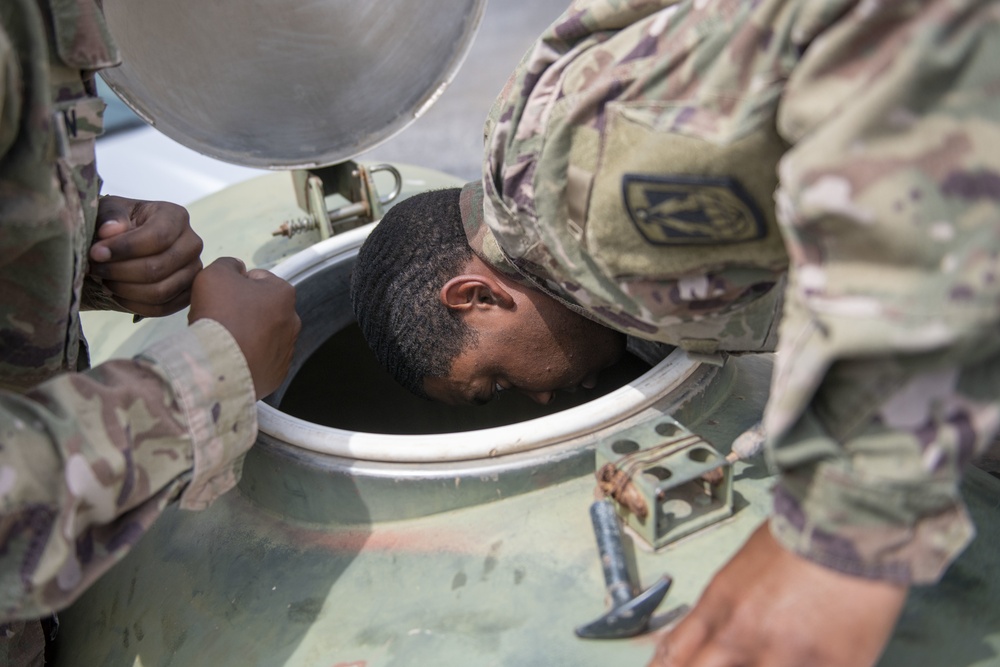
DVIDS Images 443rd CA BN hosts Army Field Sanitation Training
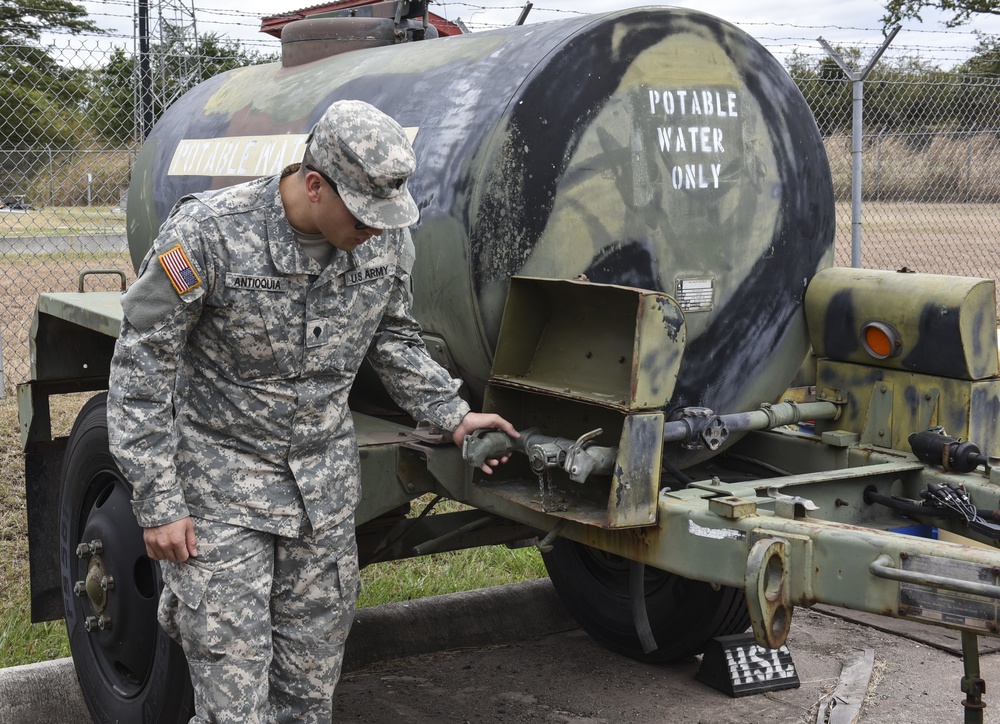
DVIDS Images Field Sanitation Training at Soto Cano Air Base [Image

ATRRS Army Field Sanitation Course ATRRS Course Catalog
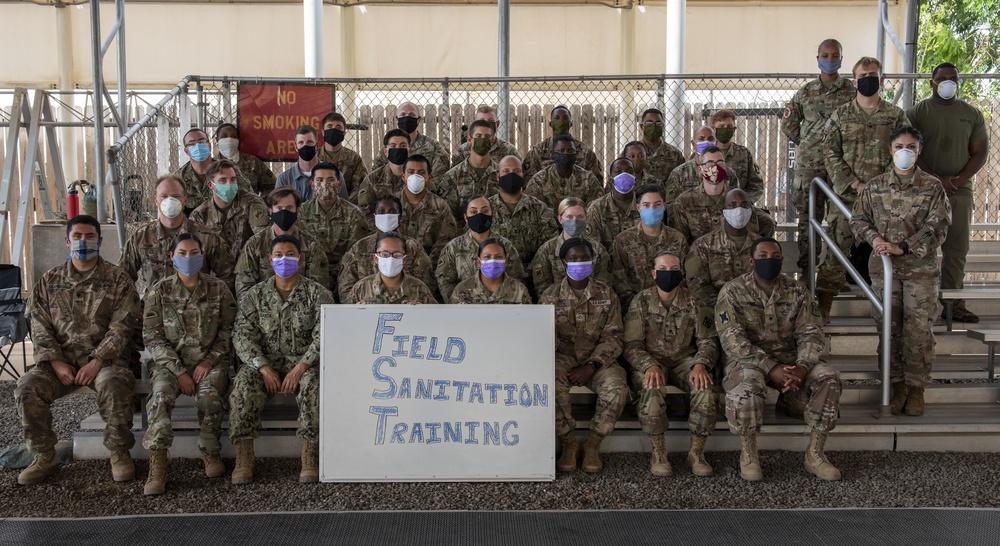
DVIDS Images 443rd CA BN hosts Army Field Sanitation Training
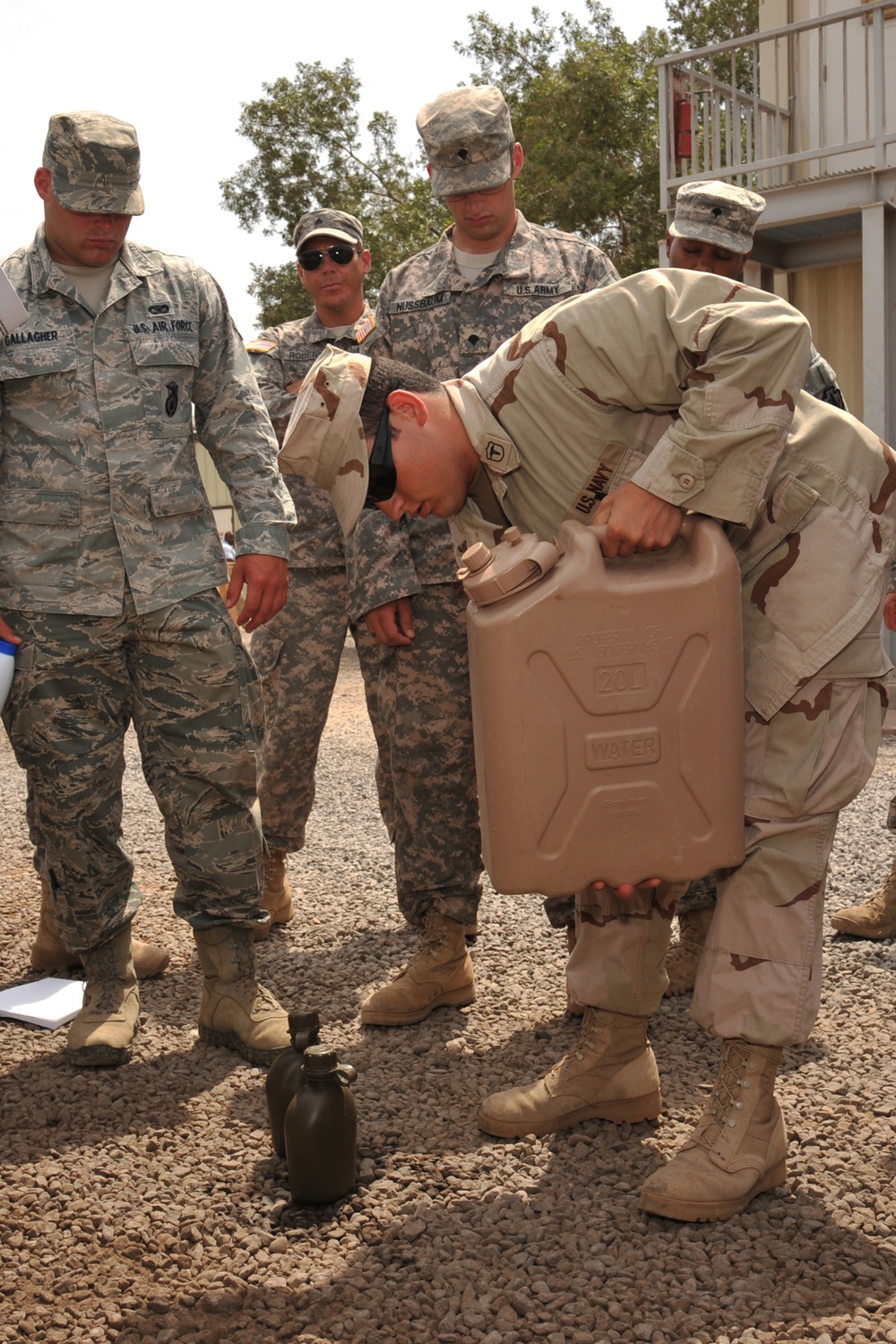
DVIDS Images US Army 490th Civil Affairs Battalion Functional
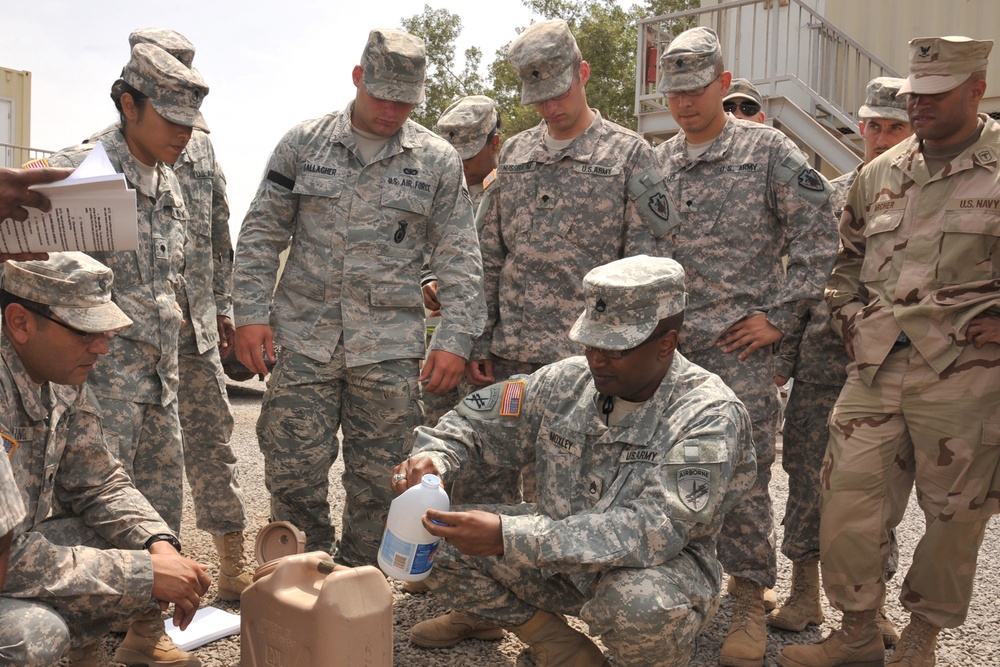
DVIDS Images US Army 490th Civil Affairs Battalion Functional

Field sanitation remains vital to readiness Article The United
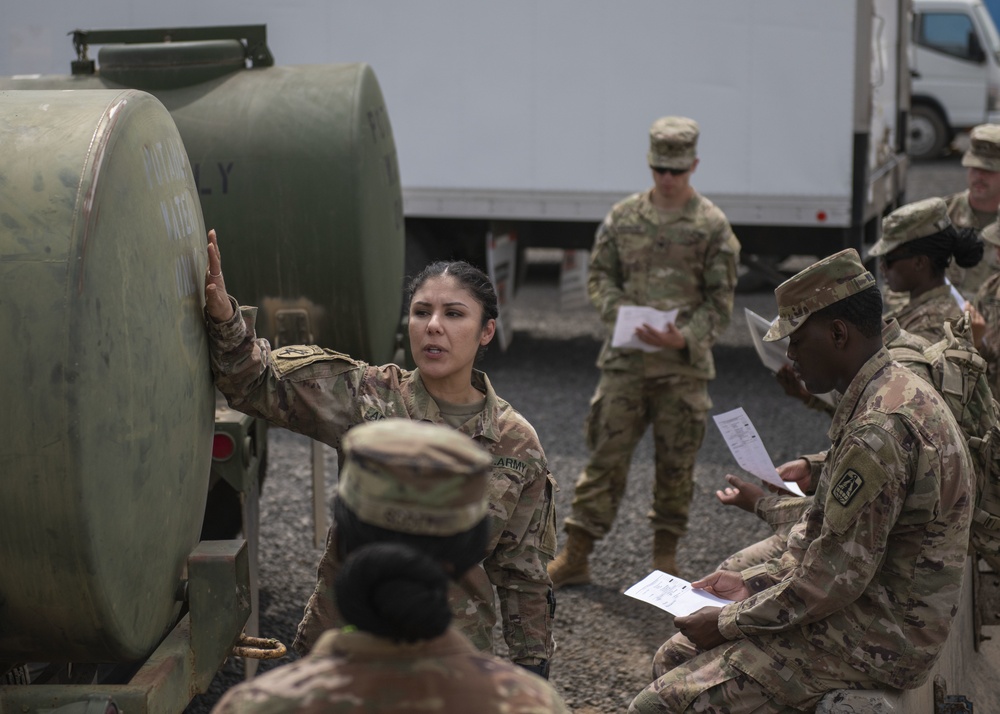
DVIDS News 443rd CA BN hosts Army Field Sanitation Training
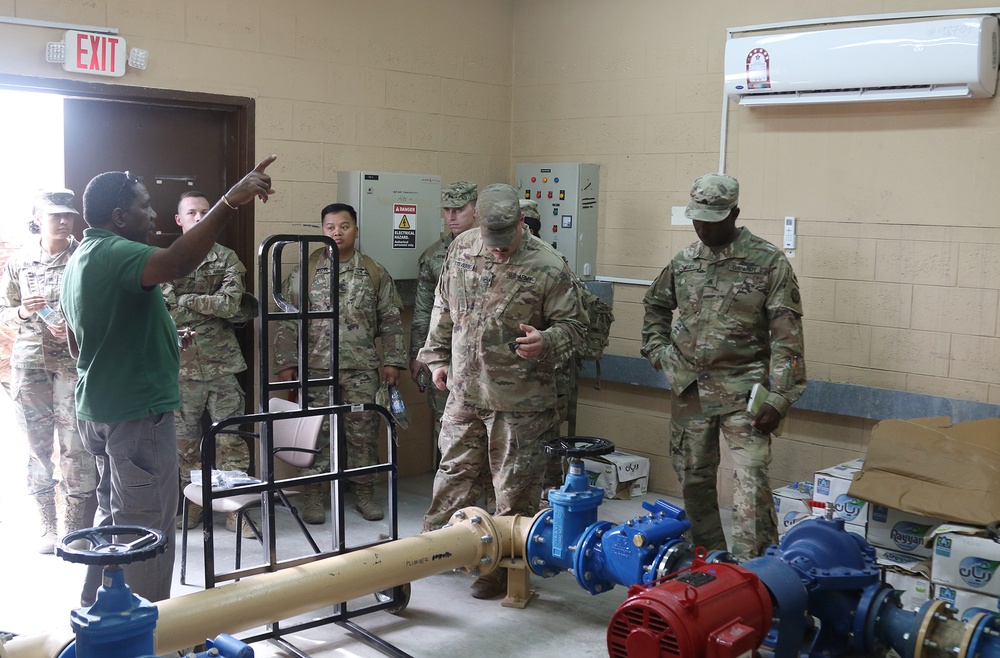
DVIDS Images Task Force Liberty Soldiers complete field sanitation
Information Is Presented In A Structured Sequence Learning Environment.
5 Step Process To Identify And Control Hazards.
This Course Will Cover Basic, Informative Knowledge And Practical Training Necessary To Keep.
The Identification And Assessment Of Hazard (First 2 Steps In The Risk Management Process) To Unit Fields Sanitation Teams (Primary/ Alternate).
Related Post: