
Evoc Course Layout
Evoc Course Layout - The course is a requirement to qualify for ohio firefighter i and firefighter ii certification. This course is based on appendix a of the nfpa #1002 publication entitled fire department vehicle driver/operator professional qualifications. The document outlines an emergency vehicle operations course (evoc) for ambulance drivers. Student level course to verify competencies with emergency vehicle driving. The goal of this program is to prepare participants to instruct law enforcement personnel in the proper use of emergency vehicles. National standard curriculum, to ensure that it is accurate, current, and that it incorporates adult learning strategies. Establishing a pursuit driving course are: Vehicle operator course (evoc) establishes a national standard curriculum for providing the emergency vehicle operator with rules, information, demonstration, and field experience. This interactive evoc training series provides a blended learning experience and meets various policies, procedures, and specified requirements found in the listed professional standards, best practices, and training programs. This training will be presented to county, municipal, and state law enforcement officers. Navigation and route planning, including selecting the safest route to the emergency scene and the medical facility. Vehicle operator course (evoc) establishes a national standard curriculum for providing the emergency vehicle operator with rules, information, demonstration, and field experience. The competency course is designed to measure driver proficiency in handling emergency vehicles. Facilities, equipment, instructor qualifications, trainee (student) qualifications, class size, and preparation for initial administration. This training will be presented to county, municipal, and state law enforcement officers. It recommends adopting the 1995 dot curriculum with some changes: The 1978 edition of the evoc course has been revised to the emergency vehicle operator course (ambulance): Each of these topics is addressed in the following sections. The course is a requirement to qualify for ohio firefighter i and firefighter ii certification. The goal of this program is to prepare participants to instruct law enforcement personnel in the proper use of emergency vehicles. Student level course to verify competencies with emergency vehicle driving. Facilities, equipment, instructor qualifications, trainee (student) qualifications, class size, and preparation for initial administration. This course is based on appendix a of the nfpa #1002 publication entitled fire department vehicle driver/operator professional qualifications. The goal of this program is to prepare participants to instruct law enforcement personnel in the proper. The competency course is designed to measure driver proficiency in handling emergency vehicles. The 1978 edition of the evoc course has been revised to the emergency vehicle operator course (ambulance): This course is based on appendix a of the nfpa #1002 publication entitled fire department vehicle driver/operator professional qualifications. The document outlines an emergency vehicle operations course (evoc) for ambulance. Facilities, equipment, instructor qualifications, trainee (student) qualifications, class size, and preparation for initial administration. Navigation and route planning, including selecting the safest route to the emergency scene and the medical facility. Vehicle operator course (evoc) establishes a national standard curriculum for providing the emergency vehicle operator with rules, information, demonstration, and field experience. The course is a requirement to qualify. This course is based on appendix a of the nfpa #1002 publication entitled fire department vehicle driver/operator professional qualifications. • designed to review critical concepts of emergency driving • a state certified emergency vehicle operations course that is based on the national highway transportation safety administration [nhtsa] curriculum • made of 3 distinct components The goal of this program is. It recommends adopting the 1995 dot curriculum with some changes: The cones that are adjusted are designated. This competency course is designed to help measure a driver's proficiency in handling emergency vehicles and includes eight situations to help asses a driver's skill level, judgment and knowledge of the limitations of the emergency vehicle. Student level course to verify competencies with. Navigation and route planning, including selecting the safest route to the emergency scene and the medical facility. The document outlines an emergency vehicle operations course (evoc) for ambulance drivers. The 1978 edition of the evoc course has been revised to the emergency vehicle operator course (ambulance): It recommends adopting the 1995 dot curriculum with some changes: National standard curriculum, to. This training will be presented to county, municipal, and state law enforcement officers. Each of these topics is addressed in the following sections. Student level course to verify competencies with emergency vehicle driving. Navigation and route planning, including selecting the safest route to the emergency scene and the medical facility. National standard curriculum, to ensure that it is accurate, current,. This interactive evoc training series provides a blended learning experience and meets various policies, procedures, and specified requirements found in the listed professional standards, best practices, and training programs. Establishing a pursuit driving course are: Knowledge of the limitations of the emergency vehicle, are required for effective maneuvering. Vehicle operator course (evoc) establishes a national standard curriculum for providing the. The goal of this program is to prepare participants to instruct law enforcement personnel in the proper use of emergency vehicles. The document outlines an emergency vehicle operations course (evoc) for ambulance drivers. Facilities, equipment, instructor qualifications, trainee (student) qualifications, class size, and preparation for initial administration. Participants will gain and/or verify a broad range of competencies associated with emergency. This training will be presented to county, municipal, and state law enforcement officers. Participants will gain and/or verify a broad range of competencies associated with emergency vehicle driving, including basic understanding of emergency vehicle operations and skills necessary for. National standard curriculum, to ensure that it is accurate, current, and that it incorporates adult learning strategies. National standard curriculum, to. The 1978 edition of the evoc course has been revised to the emergency vehicle operator course (ambulance): Student level course to verify competencies with emergency vehicle driving. This course is based on appendix a of the nfpa #1002 publication entitled fire department vehicle driver/operator professional qualifications. The cones that are adjusted are designated. The goal of this program is to prepare participants to instruct law enforcement personnel in the proper use of emergency vehicles. The competency course is designed to measure driver proficiency in handling emergency vehicles. The document outlines an emergency vehicle operations course (evoc) for ambulance drivers. See other side for course layout schematic. National standard curriculum, to ensure that it is accurate, current, and that it incorporates adult learning strategies. Facilities, equipment, instructor qualifications, trainee (student) qualifications, class size, and preparation for initial administration. Each of these topics is addressed in the following sections. It recommends adopting the 1995 dot curriculum with some changes: • designed to review critical concepts of emergency driving • a state certified emergency vehicle operations course that is based on the national highway transportation safety administration [nhtsa] curriculum • made of 3 distinct components Navigation and route planning, including selecting the safest route to the emergency scene and the medical facility. The 1978 edition of the evoc course has been revised to the emergency vehicle operator course (ambulance): Participants will gain and/or verify a broad range of competencies associated with emergency vehicle driving, including basic understanding of emergency vehicle operations and skills necessary for.
PPT Emergency Vehicle Operator’s Course 2010 Edition PowerPoint

Tag EVOC Los Angeles County Sheriff's Department

Emergency Vehicle Operator Course (EVOC) 2020 YouTube
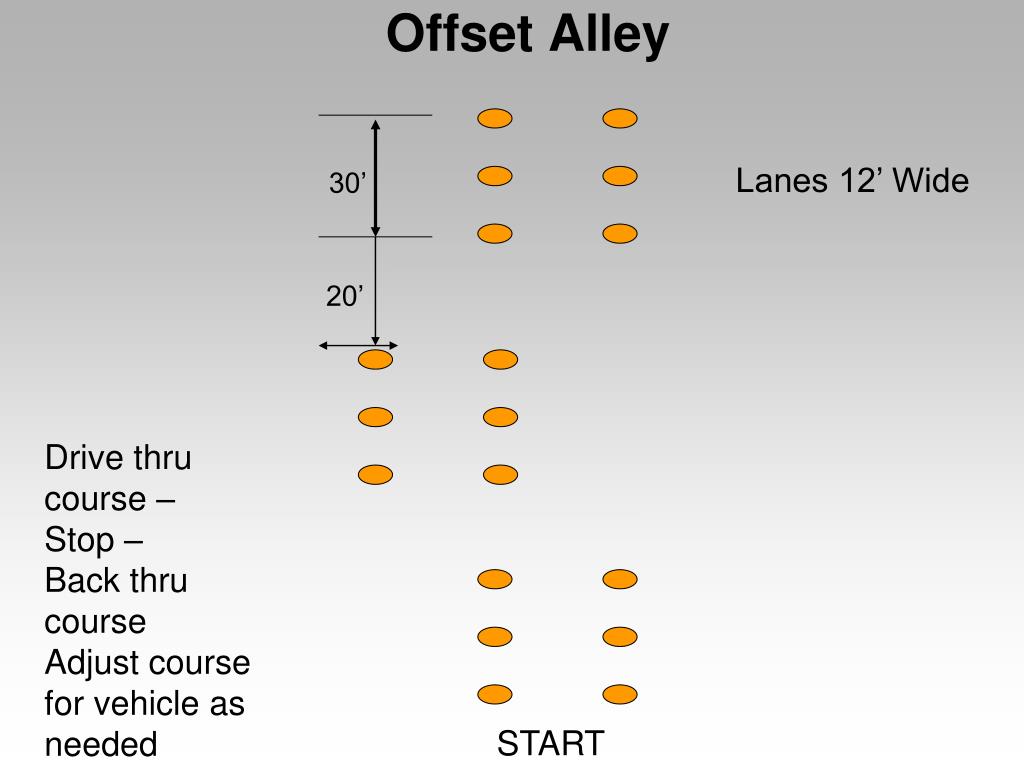
PPT Emergency Vehicle Operator’s Course 2010 Edition PowerPoint
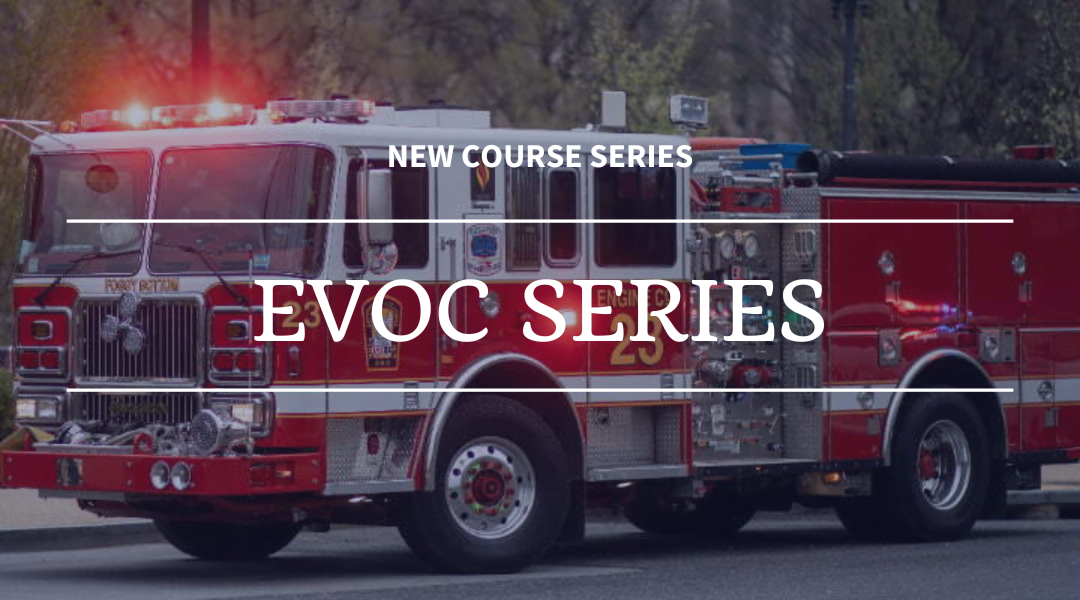
Emergency Vehicle Operations Course (EVOC) Series Fire Engineering

PPT Emergency Vehicle Operator’s Course 2010 Edition PowerPoint

Emergency Vehicle Operator Course EVOC YouTube

Police Emergency Vehicle Operations Course (EVOC) Training YouTube
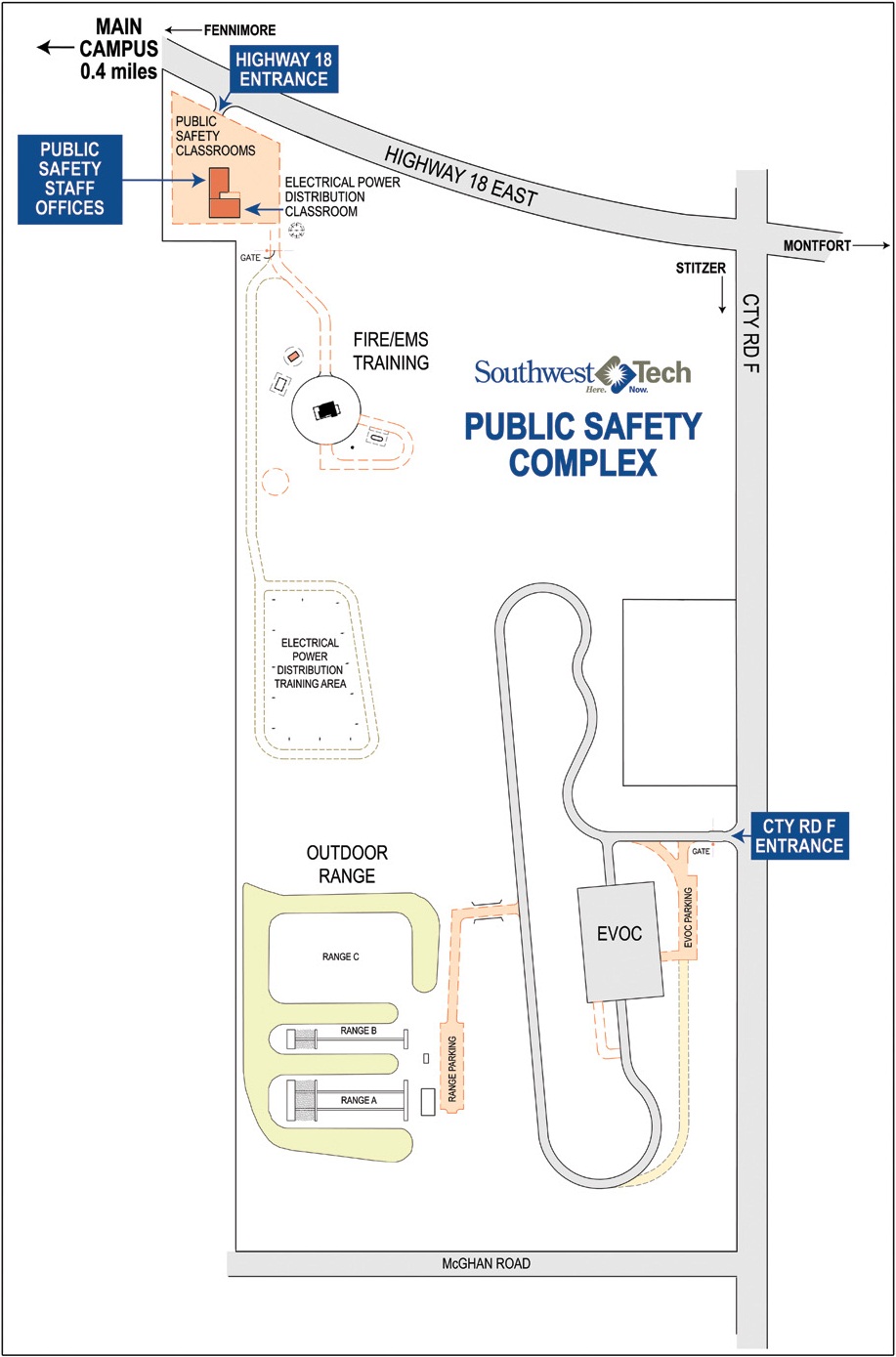
Evoc Cone Course Layout alter playground

Emergency Vehicle Operator’s Course 2010 Edition. ppt download
This Competency Course Is Designed To Help Measure A Driver's Proficiency In Handling Emergency Vehicles And Includes Eight Situations To Help Asses A Driver's Skill Level, Judgment And Knowledge Of The Limitations Of The Emergency Vehicle.
National Standard Curriculum, To Ensure That It Is Accurate, Current, And That It Incorporates Adult Learning Strategies.
Establishing A Pursuit Driving Course Are:
Knowledge Of The Limitations Of The Emergency Vehicle, Are Required For Effective Maneuvering.
Related Post: