
Ebitda Course
Ebitda Course - Gain practical insights into adjusting ebitda for accurate financial modeling, and understand. Take our financial ratios exam. Learn how to analyze income statements and ebitda performance with this comprehensive course. By understanding the factors that influence these multiples, such as industry,. Specifically, it provides a clearer understanding of operating profitability and general cash flow. Ebitda is the acronym for earnings before interest, taxes, depreciation and amortization. With bankershub’s why ebitda doesn't spell cash flow course, banking professionals and investors can explore why ebitda is an unreliable indicator of cash flow. In this tutorial, we're going to review ebit and ebitda using real examples from facebook and dave & busters. Understand variances, calculate gross profit, and visualize perfor. Ebitda multiples are a critical tool for evaluating the value of a business in the private equity and m&a industry. Understand variances, calculate gross profit, and visualize perfor. Ebitda boils down a company’s financial information to its bare bones. Business owners use ebitda to monitor their company's cash flow and to analyze the profitability of core operations before taking into account capital expenditures, tax rates,. Take our financial ratios exam. Gain practical insights into adjusting ebitda for accurate financial modeling, and understand. Learn how to analyze income statements and ebitda performance with this comprehensive course. Earnings before interest, taxes, depreciation, and amortization—also called ebitda—is a record of the amount of money a company generated. In contrast, the formula to. Specifically, it provides a clearer understanding of operating profitability and general cash flow. Ebitda multiples are a critical tool for evaluating the value of a business in the private equity and m&a industry. Earnings before interest, taxes, depreciation, and amortization—also called ebitda—is a record of the amount of money a company generated. Business owners use ebitda to monitor their company's cash flow and to analyze the profitability of core operations before taking into account capital expenditures, tax rates,. Ebitda multiples are a critical tool for evaluating the value of a business in the. With bankershub’s why ebitda doesn't spell cash flow course, banking professionals and investors can explore why ebitda is an unreliable indicator of cash flow. Specifically, it provides a clearer understanding of operating profitability and general cash flow. In this tutorial, we're going to review ebit and ebitda using real examples from facebook and dave & busters. Business owners use ebitda. Specifically, it provides a clearer understanding of operating profitability and general cash flow. Watch this free acca apm video explaining ebitda. Learn how to analyze income statements and ebitda performance with this comprehensive course. In contrast, the formula to. Gain practical insights into adjusting ebitda for accurate financial modeling, and understand. Earnings before interest, taxes, depreciation, and amortization—also called ebitda—is a record of the amount of money a company generated. Learn how ebitda impacts investment decisions, valuation techniques, and strategic planning. Understand variances, calculate gross profit, and visualize perfor. Ebitda multiples are a critical tool for evaluating the value of a business in the private equity and m&a industry. Gain practical. With bankershub’s why ebitda doesn't spell cash flow course, banking professionals and investors can explore why ebitda is an unreliable indicator of cash flow. Ebitda multiples are a critical tool for evaluating the value of a business in the private equity and m&a industry. You’ll learn how m&a works, how to analyze it conceptually, and how to build m&a models. Take our financial ratios exam. Earnings before interest, taxes, depreciation, and amortization—also called ebitda—is a record of the amount of money a company generated. Learn how ebitda impacts investment decisions, valuation techniques, and strategic planning. Ebitda boils down a company’s financial information to its bare bones. You’ll learn how m&a works, how to analyze it conceptually, and how to build. Learn how ebitda impacts investment decisions, valuation techniques, and strategic planning. Ebitda is the acronym for earnings before interest, taxes, depreciation and amortization. Ebitda multiples are a critical tool for evaluating the value of a business in the private equity and m&a industry. Specifically, it provides a clearer understanding of operating profitability and general cash flow. With bankershub’s why ebitda. In contrast, the formula to. Take our financial ratios exam. By understanding the factors that influence these multiples, such as industry,. With bankershub’s why ebitda doesn't spell cash flow course, banking professionals and investors can explore why ebitda is an unreliable indicator of cash flow. Specifically, it provides a clearer understanding of operating profitability and general cash flow. Learn how ebitda impacts investment decisions, valuation techniques, and strategic planning. In contrast, the formula to. Ebitda is the acronym for earnings before interest, taxes, depreciation and amortization. By understanding the factors that influence these multiples, such as industry,. Watch this free acca apm video explaining ebitda. Ebitda is the acronym for earnings before interest, taxes, depreciation and amortization. In this tutorial, we're going to review ebit and ebitda using real examples from facebook and dave & busters. Business owners use ebitda to monitor their company's cash flow and to analyze the profitability of core operations before taking into account capital expenditures, tax rates,. You’ll learn how. In contrast, the formula to. Learn how ebitda impacts investment decisions, valuation techniques, and strategic planning. You’ll learn how m&a works, how to analyze it conceptually, and how to build m&a models to measure financial viability. Ebitda multiples are a critical tool for evaluating the value of a business in the private equity and m&a industry. By understanding the factors that influence these multiples, such as industry,. Take our financial ratios exam. Learn how to analyze income statements and ebitda performance with this comprehensive course. In this tutorial, we're going to review ebit and ebitda using real examples from facebook and dave & busters. Gain practical insights into adjusting ebitda for accurate financial modeling, and understand. Watch this free acca apm video explaining ebitda. Ebitda boils down a company’s financial information to its bare bones. Specifically, it provides a clearer understanding of operating profitability and general cash flow. Earnings before interest, taxes, depreciation, and amortization—also called ebitda—is a record of the amount of money a company generated.
Lecture 7 Calculating Gross Profit & EBITDA (Course Financial
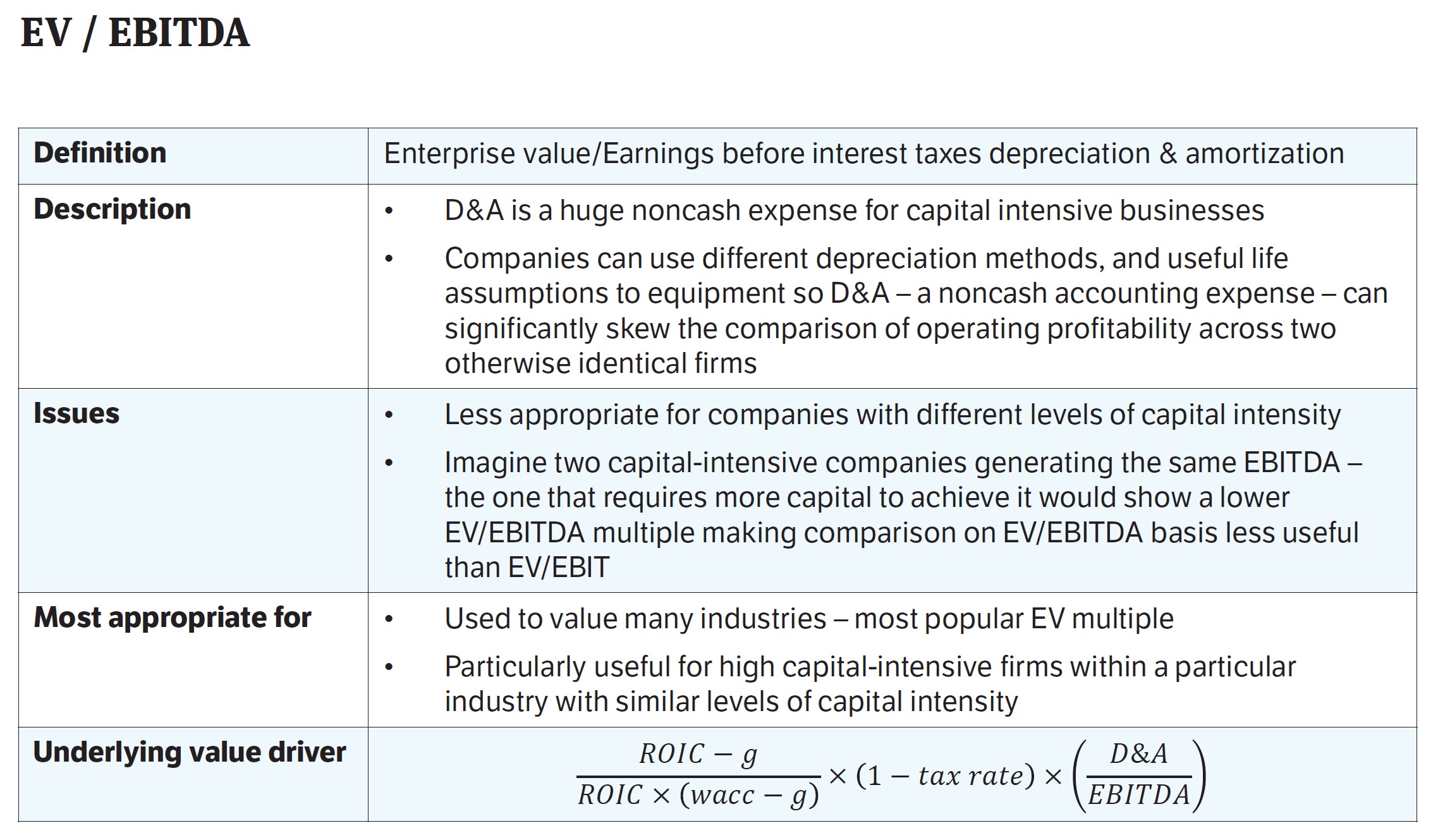
EV/EBITDA Multiple EUVietnam Business Network (EVBN)
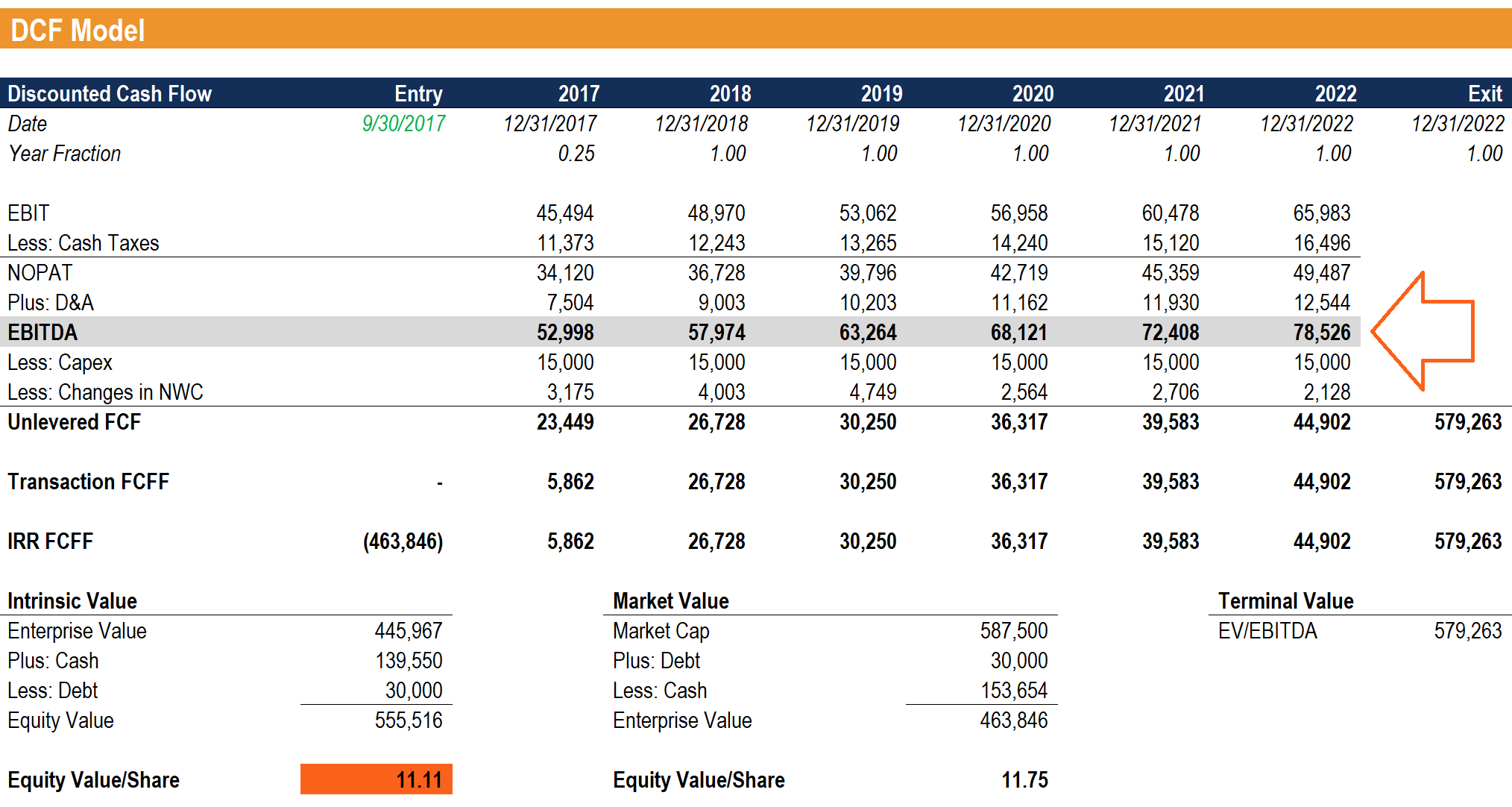
What is EBITDA Formula, Definition and Explanation

A Guide to Ebitda EBITDA 1 Swipe 1 CFO for Startups Founder & CEO
[Solved] using EBITDA Calculation, Balance Sheets, and
[Solved] using EBITDA Calculation, Balance Sheets, and
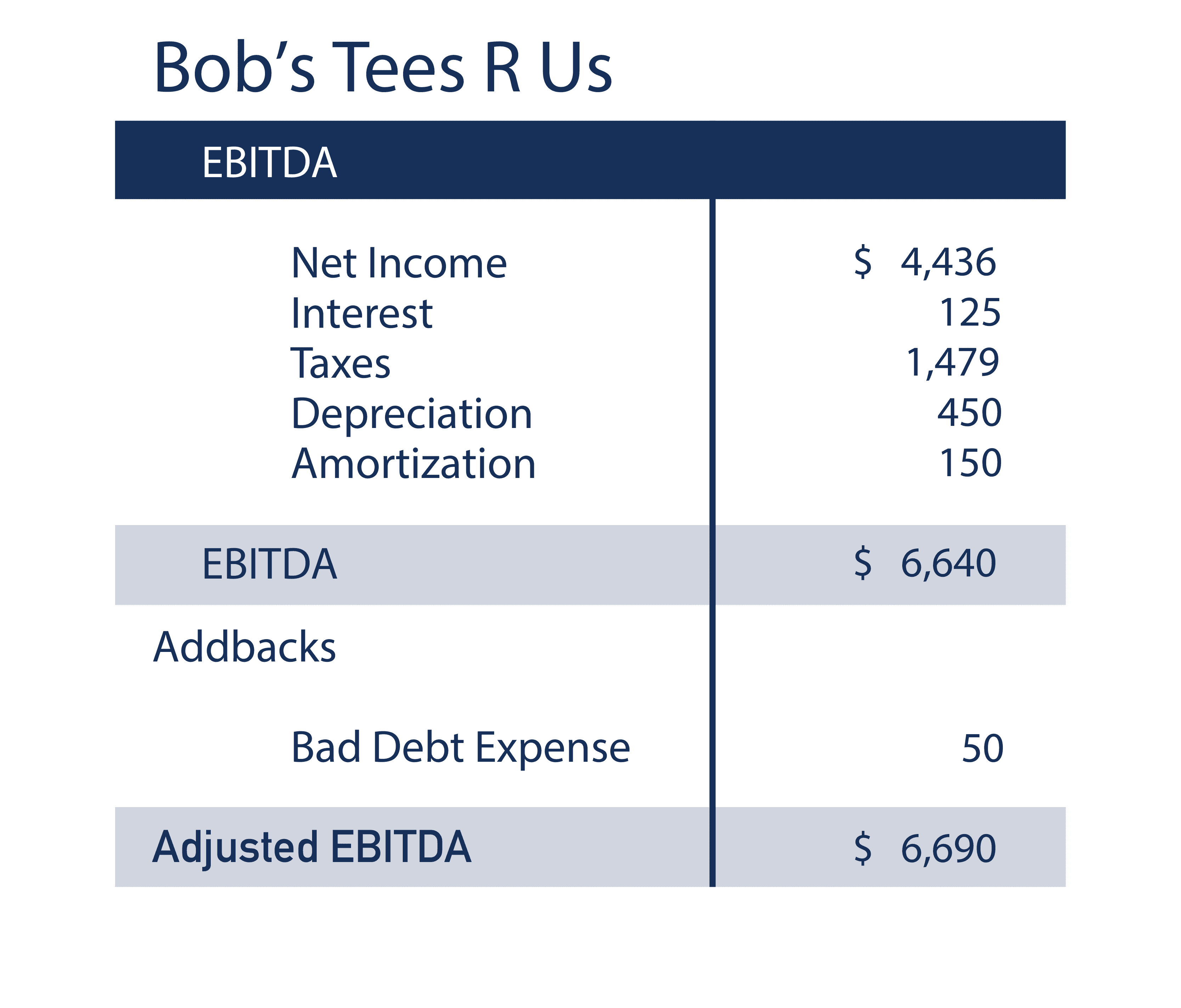
Full EBITDA Guide What is It & How Investors Use It (Formula)
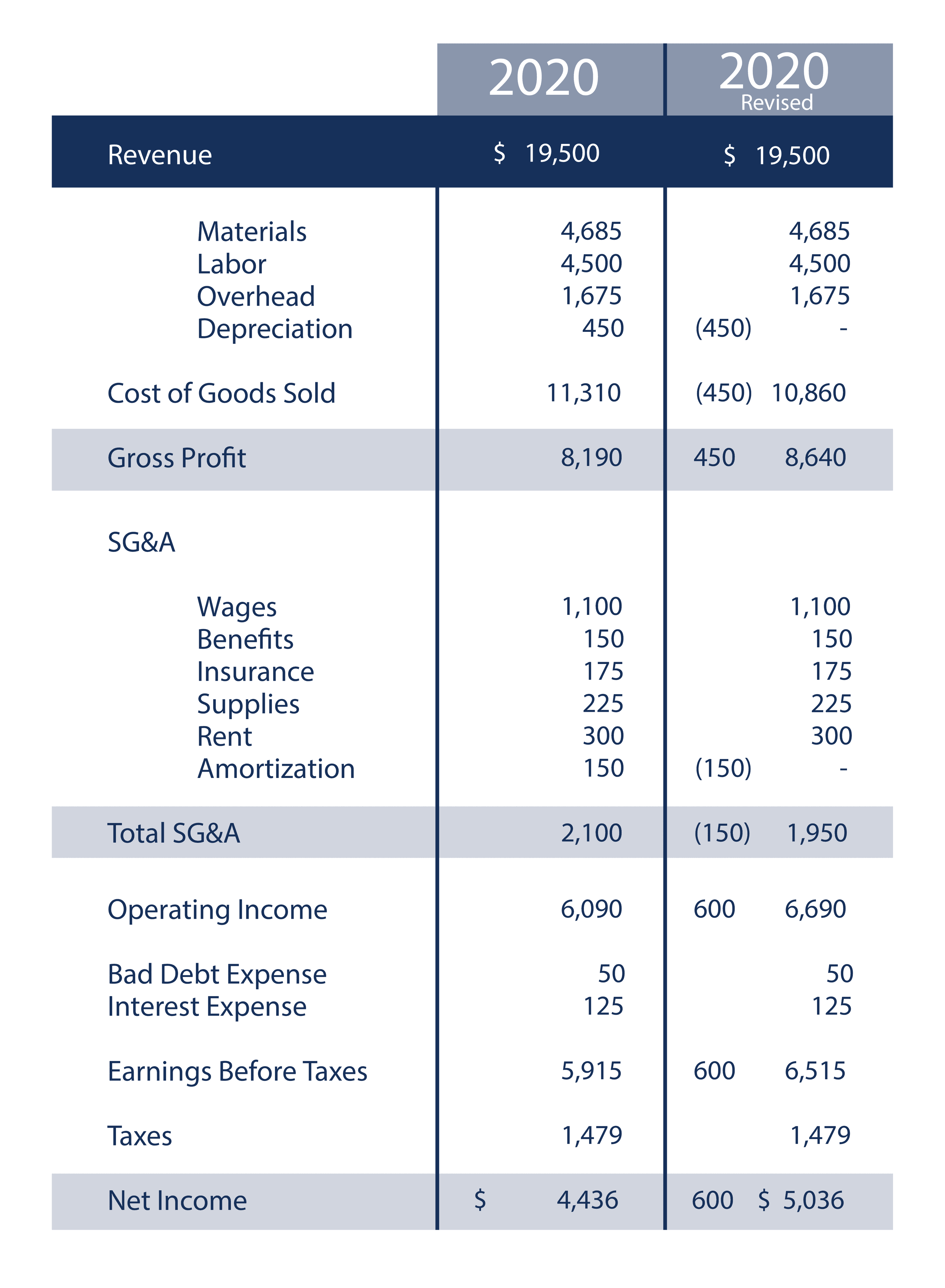
Full EBITDA Guide What is It & How Investors Use It (Formula)
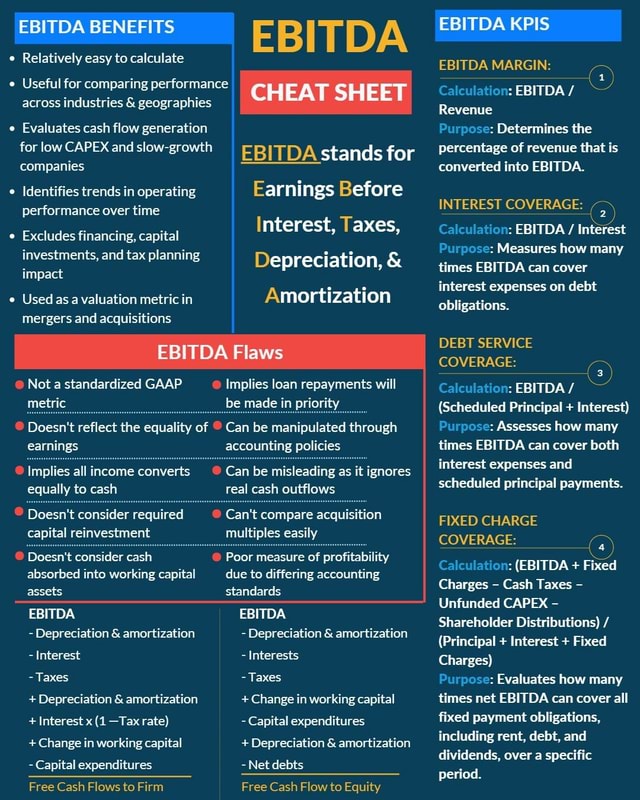
Mastering EBITDA Your GoTo Cheat Sheet for Financial Analysis! 📊💪

Lecture 9 Calculating Operating Profit & EBITDA Course Tableau for
Business Owners Use Ebitda To Monitor Their Company's Cash Flow And To Analyze The Profitability Of Core Operations Before Taking Into Account Capital Expenditures, Tax Rates,.
Understand Variances, Calculate Gross Profit, And Visualize Perfor.
With Bankershub’s Why Ebitda Doesn't Spell Cash Flow Course, Banking Professionals And Investors Can Explore Why Ebitda Is An Unreliable Indicator Of Cash Flow.
Ebitda Is The Acronym For Earnings Before Interest, Taxes, Depreciation And Amortization.
Related Post: