
Defensive Charting For Nurses Course
Defensive Charting For Nurses Course - In this course, you will also understand documenting phone calls, the legalities of charting, and. The importance of creating a clearly defined plan of care with interprofessional goals and strategies is critical to ensuring documentation is defensible to. Compare and contrast documentation formats. This training course is intended to cover the knowledge and principles of good record keeping. You’ll leave this course with a broader understanding of what effective charting looks like, as well as ineffective charting. Understanding and utilizing best practice of accurate defensive documentation will help avoid allegations of misconduct by way of misinformation. Here is some information that can assist with improving your charting and reducing liability risks: The concepts of skilled, reasonable, and necessary will be articulated in terms nurses and therapists will understand. Cynthia will share her knowledge of how documentation is used in the legal arena with examples of common documentation pitfalls. One tool especially suited for defensive documentation is the acronym fact, which stands for factual, accurate, complete, and timely. For example, to meet standards related to evaluating a patient’s progress towards goals, the nurse and others on the healthcare team need to review past documentation. This course will examine the technical and clinical criteria for skilled nursing facility coverage and the core principles of documentation. This course will update nurses on the requirements of medical record documentation as well as professional, responsible documentation strategies. Tips for passing medicare audits, charting incident reports and writing physicians’ orders accurately will all be discussed. When documenting, record only information and behavior you observe. Chart any procedures you do and patient response, chart pain and pain meds. This course will take you through the daily charting and documentation that is necessary for your patients. List three problem areas in nursing documentation. One tool especially suited for defensive documentation is the acronym fact, which stands for factual, accurate, complete, and timely. This class will engage both experienced and n ewer nurses. Demonstrate nurses’ contribution to patient care outcomes. Steps nurses can take to improve their charting and reduce their liability whether you are an experienced nurse or recent grad, documentation can be challenging. Specializes in infusion nursing, home health infusion. Explain the multiple purposes of documentation and documentation fundamentals. Understanding and utilizing best practice of accurate defensive documentation will help avoid. The main thing is to stick to the facts only the facts, don't offer your own thoughts on things or try to write a story. Here is some information that can assist with improving your charting and reducing liability risks: In this course, you will also understand documenting phone calls, the legalities of charting, and. One tool especially suited for. At its core, documentation should provide a nurse with an indisputable defense against malpractice. This course will examine the technical and clinical criteria for skilled nursing facility coverage and the core principles of documentation. Step into the realm of comprehensive charting with advocate maggie for an unparalleled perspective. Demonstrate nurses’ contribution to patient care outcomes. What is required for nursing. What is required for nursing documentation? Specializes in infusion nursing, home health infusion. Nurses play a vital role in improving the safety and quality of patient car not only in the hospital or ambulatory treatment facility but also of community based care and the care performed by family members nurses need know what proven This defense is built carefully, meticulously,. Describe two documentation strategies to reduce liability exposure. The course will examine real examples of patient care and use lessons learned to vastly improve incident reporting and. Cynthia will share her knowledge of how documentation is used in the legal arena with examples of common documentation pitfalls. This training course is intended to cover the knowledge and principles of good. Facilitated by registered nurses with first hand clinical experience, this ½ day blended learning course allows attendees to gain theoretical and practical pressure area care knowledge. Understanding and utilizing best practice of accurate defensive documentation will help avoid allegations of misconduct by way of misinformation. List three problem areas in nursing documentation. This course will take you through the daily. Demonstrate nurses’ contribution to patient care outcomes. This defense is built carefully, meticulously, with detailed paper trails beginning from the moment the nurse first sees a patient. Join nursing colleagues for an interactive class discussing defensive documentation. Examples of good and bad charting; You’ll leave this course with a broader understanding of what effective charting looks like, as well as. Here is some information that can assist with improving your charting and reducing liability risks: Avoid value judgments, bias, labels, and subjective opinions. Step into the realm of comprehensive charting with advocate maggie for an unparalleled perspective. Learn to chart like your license depends on it! Nurses play a vital role in improving the safety and quality of patient car. Demonstrate nurses’ contribution to patient care outcomes. The importance of creating a clearly defined plan of care with interprofessional goals and strategies is critical to ensuring documentation is defensible to. Describe two documentation strategies to reduce liability exposure. The main thing is to stick to the facts only the facts, don't offer your own thoughts on things or try to. Learn to chart like your license depends on it! This course will examine the technical and clinical criteria for skilled nursing facility coverage and the core principles of documentation. In this course, you will also understand documenting phone calls, the legalities of charting, and. The main thing is to stick to the facts only the facts, don't offer your own. When documentation becomes your defense; You’ll leave this course with a broader understanding of what effective charting looks like, as well as ineffective charting. Armed with a fundamental understanding of this information, clinicians will be able to meet documentation expectations. List three problem areas in nursing documentation. ~ legal lingo ~ general documentation tips ~ narrative note writing ~ incident report writing ~ crisis standards of care Facilitated by registered nurses with first hand clinical experience, this ½ day blended learning course allows attendees to gain theoretical and practical pressure area care knowledge. Avoid value judgments, bias, labels, and subjective opinions. This course will take you through the daily charting and documentation that is necessary for your patients. Examples of good and bad charting; Describe two documentation strategies to reduce liability exposure. For example, to meet standards related to evaluating a patient’s progress towards goals, the nurse and others on the healthcare team need to review past documentation. When documenting, record only information and behavior you observe. Here is some information that can assist with improving your charting and reducing liability risks: The concepts of skilled, reasonable, and necessary will be articulated in terms nurses and therapists will understand. Cynthia will share her knowledge of how documentation is used in the legal arena with examples of common documentation pitfalls. Tips for passing medicare audits, charting incident reports and writing physicians’ orders accurately will all be discussed.
Defensive Documentation Practice For Nurses Capricorn Healthcare
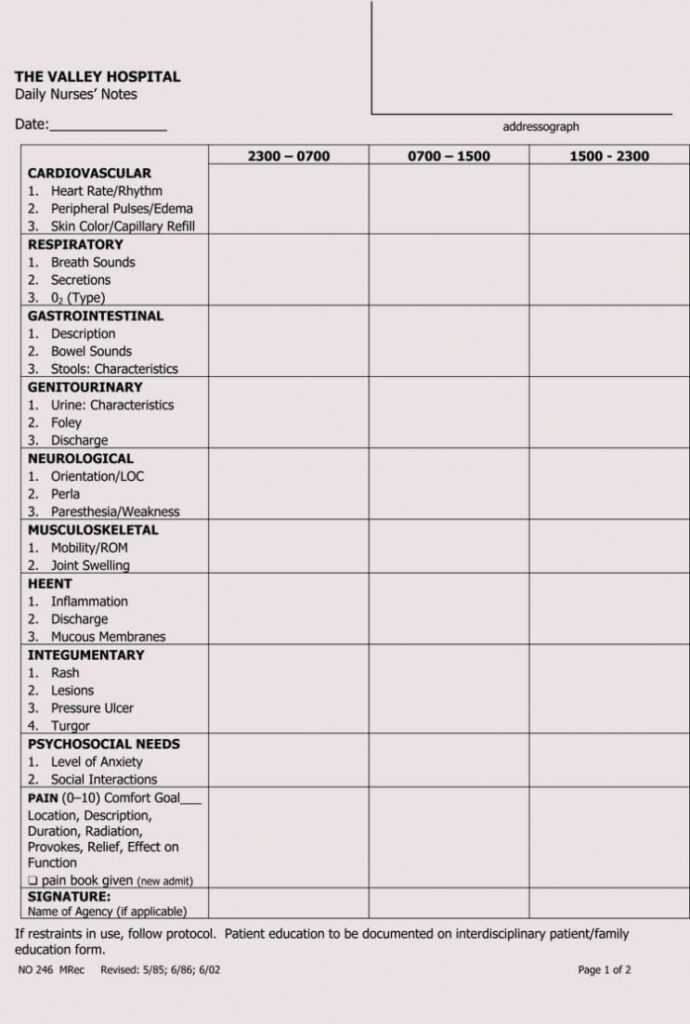
Nursing Assistant Report Sheet Templates

NCLEX Tip Defense Mechanisms Nurse study notes, Nursing school
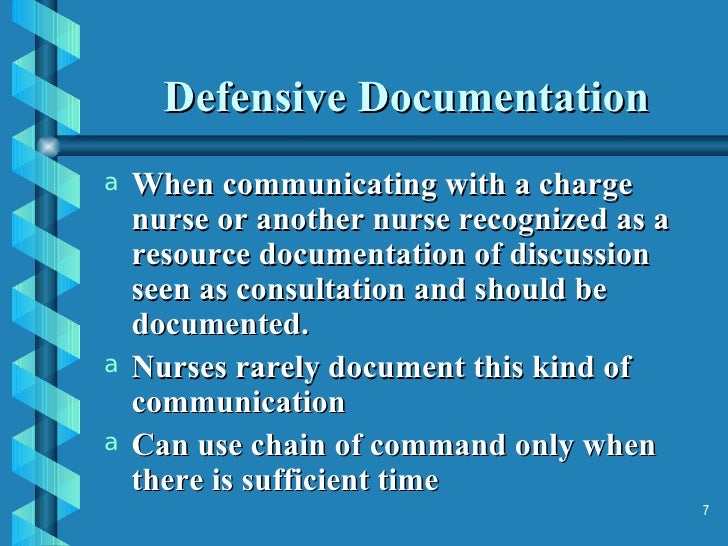
Documentation
Guidelines for Charting and Documenting Joyce University of Nursing
Defensive Practice PDF Nursing Health Care
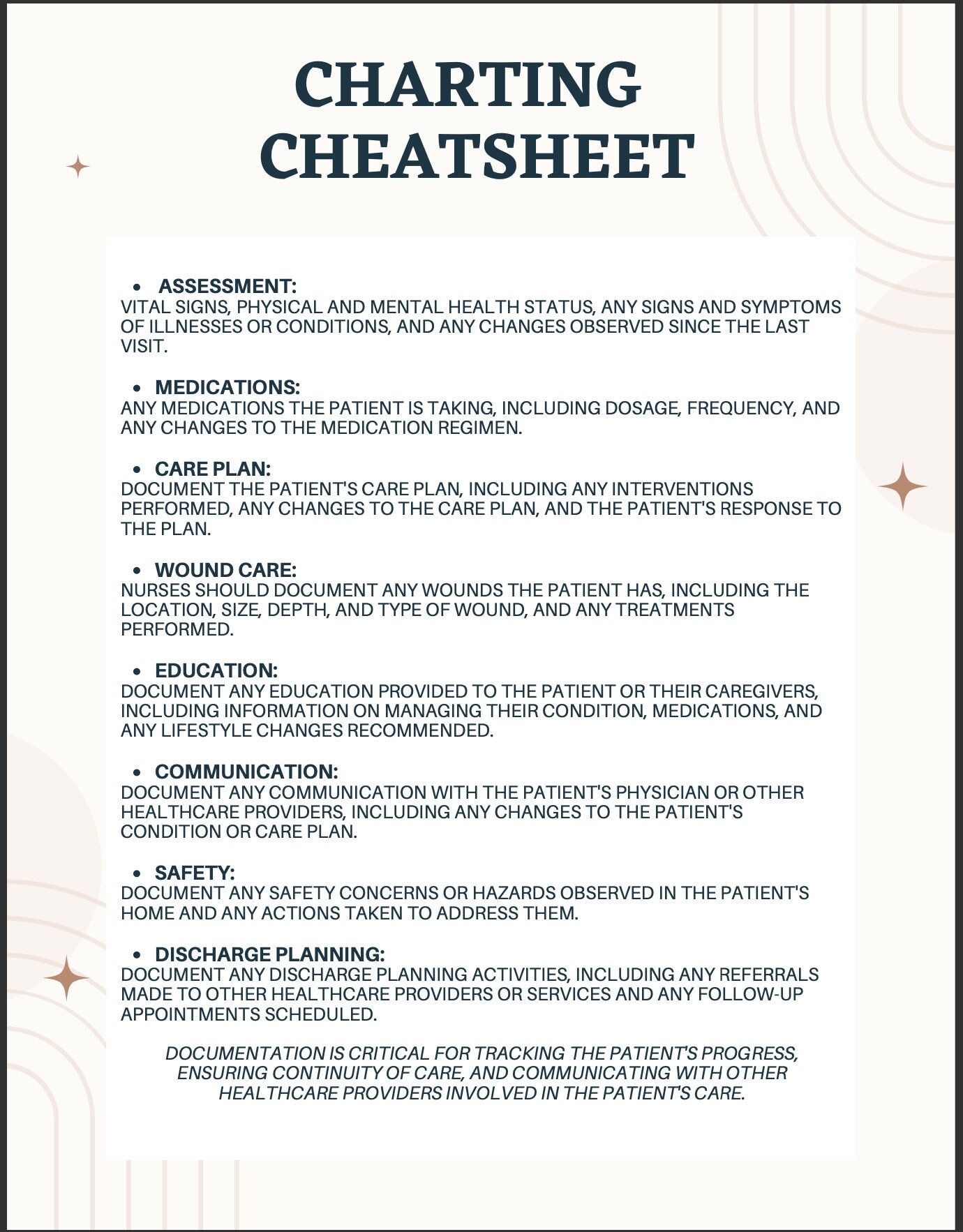
Charting Cheat Sheet, Great for Nursing Students and New Grads Etsy

Defensive Documentation YouTube

Defensive Documentation Practice For Nurses Capricorn Healthcare

10 Charting in Nursing Dos and Don'ts CareerStaff Unlimited
The Importance Of Creating A Clearly Defined Plan Of Care With Interprofessional Goals And Strategies Is Critical To Ensuring Documentation Is Defensible To.
This Course Will Update Nurses On The Requirements Of Medical Record Documentation As Well As Professional, Responsible Documentation Strategies.
At Its Core, Documentation Should Provide A Nurse With An Indisputable Defense Against Malpractice.
Chart Any Procedures You Do And Patient Response, Chart Pain And Pain Meds.
Related Post:
