
Course Over The Ground
Course Over The Ground - The course is to be distinguished from the heading, which is the direction where the watercraft's bow or the aircraft's nose is pointed. The conventional approach says draw a triangle, plot a line. In navigation, the course of a watercraft or aircraft is the cardinal direction in which the craft is to be steered. Detailed explanations on the importance of cog and how to. The path that a vessel follows is called a track or, in the case of aircraft, ground track (also known as course made good or course over the ground). Course to steer (cts) is the required heading of the yacht to. Boating courses for beginner to advanced sailors. It doesn't matter what your compass heading was or your angle of sail off the wind, your course over ground is literally that line you drew on the bottom. Mastering your boat’s course over ground (cog) is essential for effective navigation, especially in challenging marine conditions. Learn to sail or powerboat online with our internationally recognized sailing education & certification program. In sailing waypoints, they are often. The course is to be distinguished from the heading, which is the direction where the watercraft's bow or the aircraft's nose is pointed. As their names suggest, speed over ground and course over ground are measurements related to solid ground. Mastering your boat’s course over ground (cog) is essential for effective navigation, especially in challenging marine conditions. At its simplest level, imagine your sailboat dragged a chain on the bottom as you sailed, leaving a line through the mud and sand. By displaying both the heading line and cog line, you can instantly see the leeway of your boat. It is the path the boat travels. Course over ground (cog) describes the direction of motion with respect to the ground that a vessel has moved relative to the magnetic north pole or geographic north pole. Calculating course over ground (cog) is crucial for navigation, particularly in maritime and aviation contexts. The conventional approach says draw a triangle, plot a line. It doesn't matter what your compass heading was or your angle of sail off the wind, your course over ground is literally that line you drew on the bottom. Course over ground (cog) is the path of the boat over the ground. The rate of turn (rot), speed over ground (sog), course over ground (cog), and heading (hdg) in ais. Without tidal currents or streams cog = water track. In waters with a lot of current, this is helpful since you’ll instantly see your boat’s course. It doesn't matter what your compass heading was or your angle of sail off the wind, your course over ground is literally that line you drew on the bottom. Boating courses for beginner to. It originated as one of the first important derived values we learned from loran units. The path that a vessel follows is called a track or, in the case of aircraft, ground track (also known as course made good or course over the ground). In navigation, the course of a watercraft or aircraft is the cardinal direction in which the. This term is known to everyone who uses gps. Note we distinguish course over ground from course made. Cog is the actual direction of movement over the earth’s surface. Course over ground (cog) describes the direction of motion with respect to the ground that a vessel has moved relative to the magnetic north pole or geographic north pole. By displaying. In waters with a lot of current, this is helpful since you’ll instantly see your boat’s course. This term is known to everyone who uses gps. Current, leeway, poor helmsmanship, or compass errors. By displaying both the heading line and cog line, you can instantly see the leeway of your boat. At its simplest level, imagine your sailboat dragged a. It doesn't matter what your compass heading was or your angle of sail off the wind, your course over ground is literally that line you drew on the bottom. Note we distinguish course over ground from course made. Mastering your boat’s course over ground (cog) is essential for effective navigation, especially in challenging marine conditions. The course is to be. Course over ground (cog) refers to the true direction of progress of a vessel between two points with respect to the earth’s surface. This term is known to everyone who uses gps. Note we distinguish course over ground from course made. Learn to sail or powerboat online with our internationally recognized sailing education & certification program. Mastering your boat’s course. It originated as one of the first important derived values we learned from loran units. The course is to be distinguished from the heading, which is the direction where the watercraft's bow or the aircraft's nose is pointed. Course over ground (cog) describes the direction of motion with respect to the ground that a vessel has moved relative to the. Course over ground (cog) describes the direction of motion with respect to the ground that a vessel has moved relative to the magnetic north pole or geographic north pole. Boating courses for beginner to advanced sailors. Detailed explanations on the importance of cog and how to. It is the path the boat travels. Course over ground (cog) is the path. This means that using sog and cog as accurate. Detailed explanations on the importance of cog and how to. Mastering your boat’s course over ground (cog) is essential for effective navigation, especially in challenging marine conditions. In navigation, the course of a watercraft or aircraft is the cardinal direction in which the craft is to be steered. This guide explains. Things that cause course over ground (cog) to differ from heading include: The conventional approach says draw a triangle, plot a line. Course over ground (cog) describes the direction of motion with respect to the ground that a vessel has moved relative to the magnetic north pole or geographic north pole. The path that a vessel follows is called a track or, in the case of aircraft, ground track (also known as course made good or course over the ground). Mastering your boat’s course over ground (cog) is essential for effective navigation, especially in challenging marine conditions. The course is to be distinguished from the heading, which is the direction where the watercraft's bow or the aircraft's nose is pointed. Course over ground (cog) is the path of the boat over the ground. It can differ from the course due to external factors like wind or current, especially in maritime or. In waters with a lot of current, this is helpful since you’ll instantly see your boat’s course. Boating courses for beginner to advanced sailors. At its simplest level, imagine your sailboat dragged a chain on the bottom as you sailed, leaving a line through the mud and sand. This means that using sog and cog as accurate. Learn to sail or powerboat online with our internationally recognized sailing education & certification program. Note we distinguish course over ground from course made. This term is known to everyone who uses gps. Course to steer (cts) is the required heading of the yacht to.
Courseoverground calculation algorithm Download Scientific Diagram

Heading VS Course Over Ground (COG) YouTube

Enriching an NMEA Stream

Navigation Theory Course To Steer YouTube
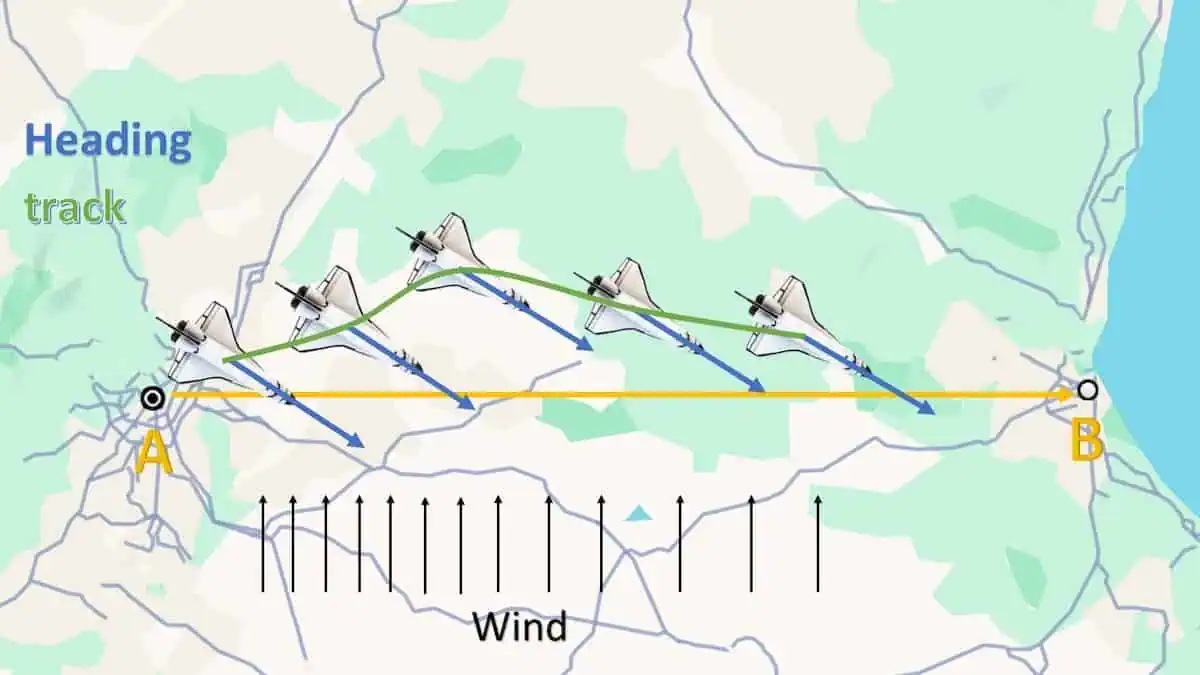
Measuring GPS Heading & Course Over Ground Unmanned Systems Technology

Course over ground SOG and speed over ground SOG in the distance of 2
+Heading+(hθ).jpg)
True Wind Facilitator Notes ppt download
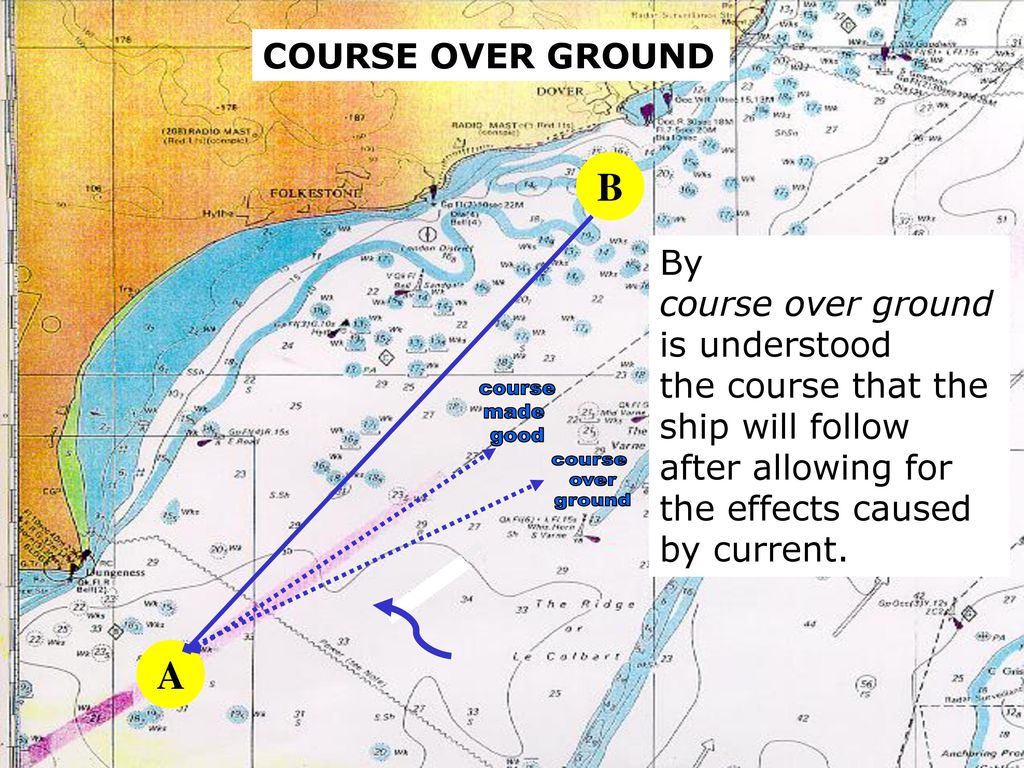
Navigation s. ppt download

An algorithm for calculation of own ship's course over ground and speed

Course over ground SM. Download Scientific Diagram
It Originated As One Of The First Important Derived Values We Learned From Loran Units.
It Is The Path The Boat Travels.
Detailed Explanations On The Importance Of Cog And How To.
This Guide Explains The Concept Of Cog, The Methods To.
Related Post: