
Course Of Conduct Contract Law
Course Of Conduct Contract Law - In the event that parties disagree over how a contract term should be. (1) economic efficiency = contracts should be enforced when economic gains from transactions. (1) the agreement of the parties with respect to the transaction. (a) a course of performance is a sequence of conduct between the parties to a particular transaction that exists if: Establishing a course of dealing is relevant in contract law because it helps with the application of gap filling rules. (1) a course of dealing is a sequence of previous conduct between the parties to an agreement which is fairly to be regarded as establishing a common basis of understanding for interpreting. Evidence of the conduct of parties concerning the execution of obligations under a contract requiring more than one performance that is used for the purpose of interpreting the contract's. Commercial lawyers may use this annotated guide to draft a clause in a manufacturing or supply agreement to reduce a party's risk arising from their conduct. (a) a course of performance is a sequence of conduct between the parties to a particular transaction that exists if: This guide addresses contract formation, types of contracts, general contract construction rules, how to alter and terminate contracts, and how courts interpret and enforce dispute resolution. (1) economic efficiency = contracts should be enforced when economic gains from transactions. (1) the agreement of the parties with respect to the transaction. (1) the agreement of the parties with respect to the transaction. The course of dealing between parties to an action is examined by a court in ascertaining what the. Understanding these highlights makes the conduct of. (1) a course of dealing is a sequence of previous conduct between the parties to an agreement which is fairly to be regarded as establishing a common basis of understanding for interpreting. Establishing a course of dealing is relevant in contract law because it helps with the application of gap filling rules. These concepts help interpret agreements and clarify. General definition a contract is a promise or set of promises, for the breach of which the law gives a remedy, or the performance of which the law in some way recognizes as a duty. (1) a course of dealing is a sequence of previous conduct between the parties to an agreement which fairly establishes a common basis of understanding for interpreting their agreement (2). (1) the agreement of the parties with respect to the transaction. Understanding the nuances between course of dealing and course of performance is vital for those involved in contract law. Evidence of the conduct of parties concerning the execution of obligations under a contract requiring more than one performance that is used for the purpose of interpreting the contract's. Multiple. Commercial lawyers may use this annotated guide to draft a clause in a manufacturing or supply agreement to reduce a party's risk arising from their conduct. General definition a contract is a promise or set of promises, for the breach of which the law gives a remedy, or the performance of which the law in some way recognizes as a. (1) the agreement of the parties with respect to the transaction. Understanding these highlights makes the conduct of. 1 contract, multiple obligations, same parties. These concepts help interpret agreements and clarify. A “course of dealing” is a “sequence of previous conduct between the parties to an agreement which is fairly to be regarded as establishing a common basis of understanding. This chapter gave a brief overview of how judges and arbitrators approach the difficult problem of interpreting the meaning of a contract. (a) a course of performance is a sequence of conduct between the parties to a particular transaction that exists if: Multiple similar contracts because the same parties. (1) a course of dealing is a sequence of previous conduct. The underlying dispute relates to the sale, by the claimant. Establishing a course of dealing is relevant in contract law because it helps with the application of gap filling rules. Evidence of the conduct of parties concerning the execution of obligations under a contract requiring more than one performance that is used for the purpose of interpreting the contract's. In. (1) a course of dealing is a sequence of previous conduct between the parties to an agreement which is fairly to be regarded as establishing a common basis of understanding for interpreting. 1 contract, multiple obligations, same parties. A nonexclusive list of policies driving contract law includes the following: A clearly recognizable pattern of previous conduct between parties to a. Understanding these highlights makes the conduct of. (1) a course of dealing is a sequence of previous conduct between the parties to an agreement which fairly establishes a common basis of understanding for interpreting their agreement (2). This guide addresses contract formation, types of contracts, general contract construction rules, how to alter and terminate contracts, and how courts interpret and. (1) a course of dealing is a sequence of previous conduct between the parties to an agreement which fairly establishes a common basis of understanding for interpreting their agreement (2). In determining the case, the court provided a helpful summary of the general principles on course of dealing. (a) a course of performance is a sequence of conduct between the. In determining the case, the court provided a helpful summary of the general principles on course of dealing. This chapter gave a brief overview of how judges and arbitrators approach the difficult problem of interpreting the meaning of a contract. The course of dealing between parties to an action is examined by a court in ascertaining what the. 1 contract,. General definition a contract is a promise or set of promises, for the breach of which the law gives a remedy, or the performance of which the law in some way recognizes as a duty. (1) economic efficiency = contracts should be enforced when economic gains from transactions. This chapter gave a brief overview of how judges and arbitrators approach. This guide addresses contract formation, types of contracts, general contract construction rules, how to alter and terminate contracts, and how courts interpret and enforce dispute resolution. (1) the agreement of the parties with respect to the transaction. Course of dealing, as defined in subsection (b), is restricted, literally, to a sequence of conduct between the parties previous to the agreement. This chapter gave a brief overview of how judges and arbitrators approach the difficult problem of interpreting the meaning of a contract. These concepts help interpret agreements and clarify. The underlying dispute relates to the sale, by the claimant. Understanding the nuances between course of dealing and course of performance is vital for those involved in contract law. (1) a course of dealing is a sequence of previous conduct between the parties to an agreement which is fairly to be regarded as establishing a common basis of understanding for interpreting. Waiver and modification should be addressed. Understanding these highlights makes the conduct of. (a) a course of performance is a sequence of conduct between the parties to a particular transaction that exists if: Ucc indicates that the course of performance is the best indication of what the parties meant. A “course of dealing” is a “sequence of previous conduct between the parties to an agreement which is fairly to be regarded as establishing a common basis of understanding for interpreting. (1) a course of dealing is a sequence of previous conduct between the parties to an agreement which fairly establishes a common basis of understanding for interpreting their agreement (2). In determining the case, the court provided a helpful summary of the general principles on course of dealing. Establishing a course of dealing is relevant in contract law because it helps with the application of gap filling rules.
How to Write a Law School Outline Using Diagrams JD Advising Law

Contracting and Acquisition Education at Florida Institute of

PLAIN AND CIVIL CE LAWS COURSE OUTLINE

James Chandler Severn River Publishing

Louisiana Supreme Court Holds Terms and Conditions Binding Due to
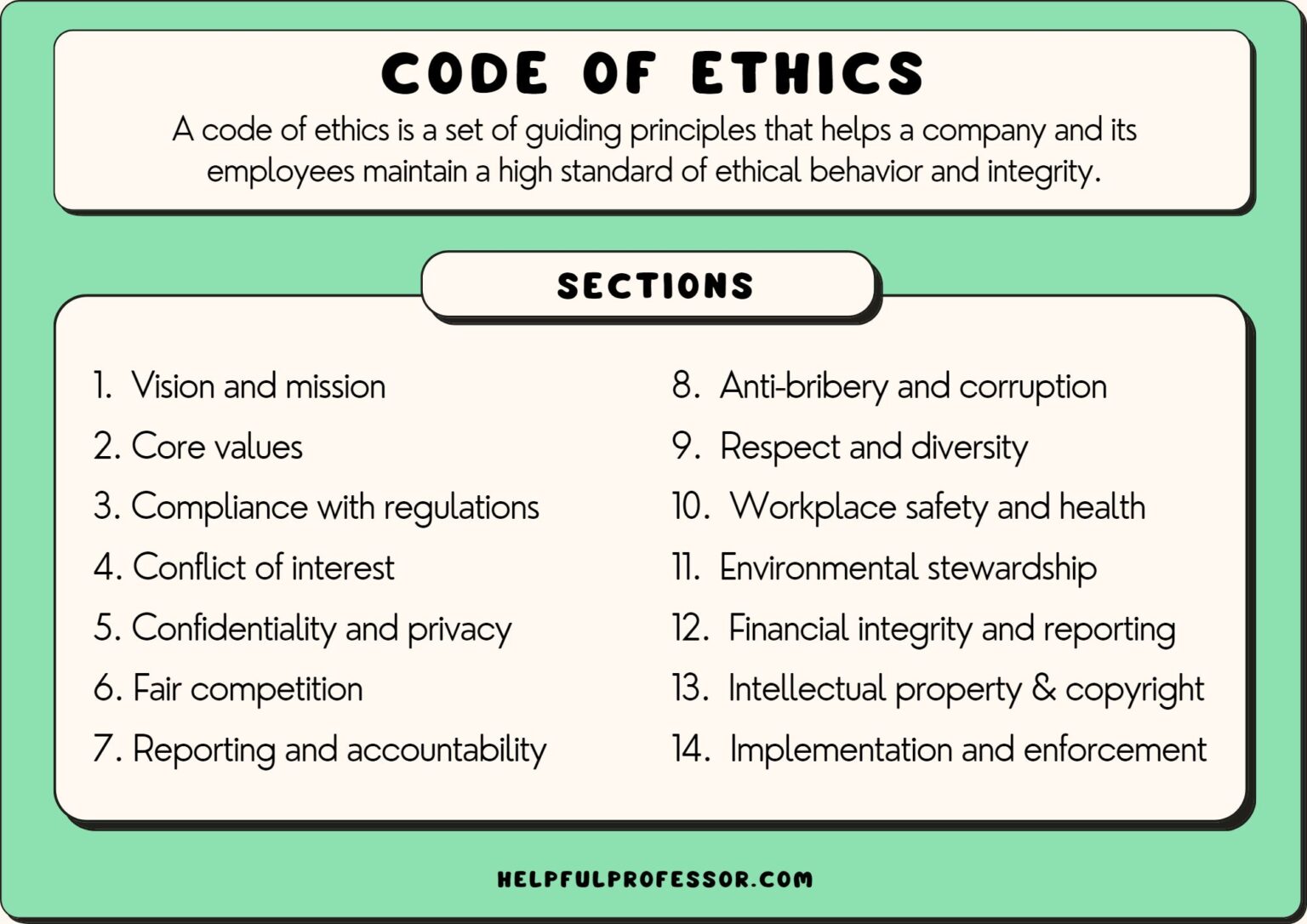
15 Code of Ethics Examples (Copy and Paste) (2025)

Jurisprudence law INTRODUCTION Custom is a habitual course of conduct

Course of conduct Definition 3k Samples Law Insider
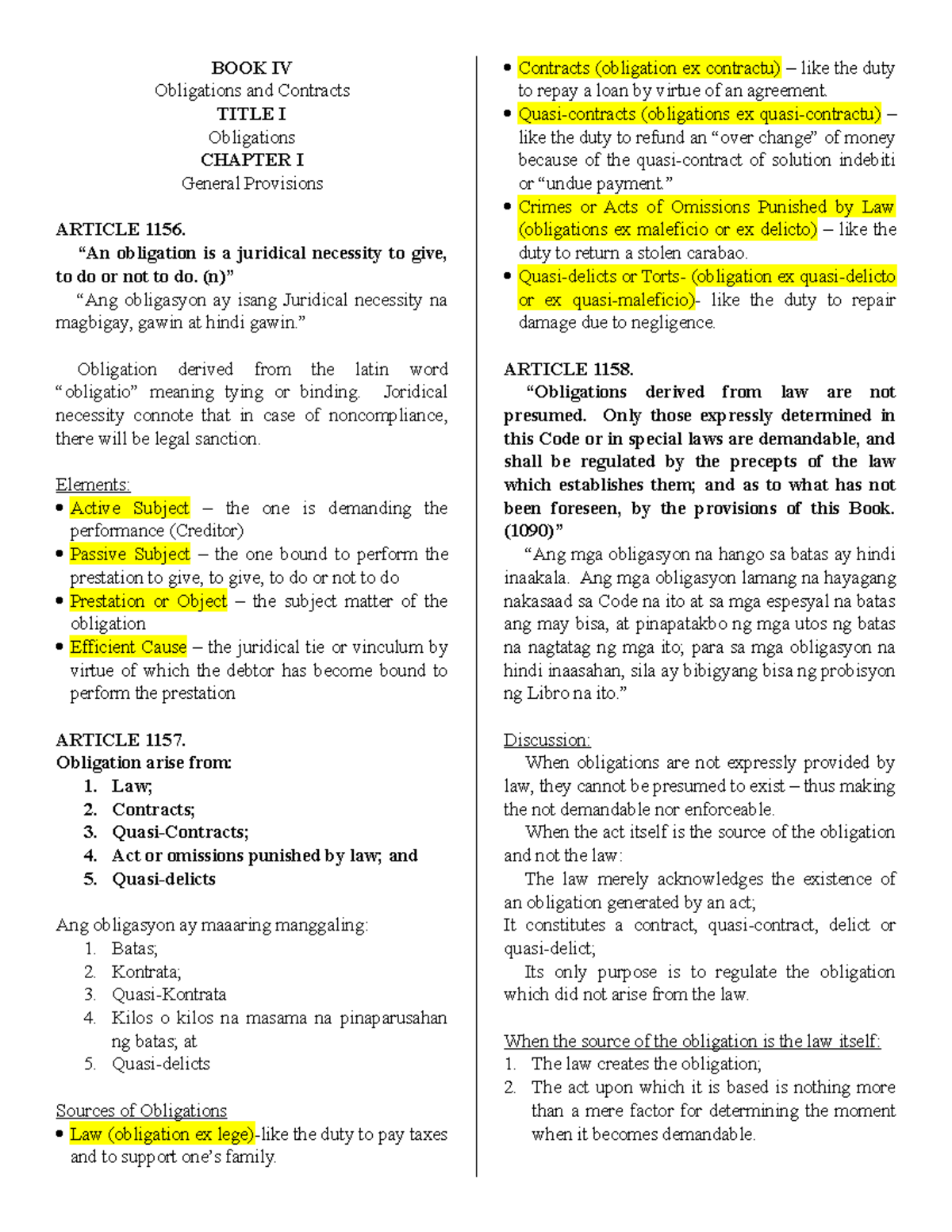
Law on Obligations and Contracts Summary (Article 11561178) BOOK IV

to obtain a Word version of this document
(1) Economic Efficiency = Contracts Should Be Enforced When Economic Gains From Transactions.
A Nonexclusive List Of Policies Driving Contract Law Includes The Following:
The Course Of Dealing Between Parties To An Action Is Examined By A Court In Ascertaining What The.
General Definition A Contract Is A Promise Or Set Of Promises, For The Breach Of Which The Law Gives A Remedy, Or The Performance Of Which The Law In Some Way Recognizes As A Duty.
Related Post: