
Can You Put Future Courses On Resume
Can You Put Future Courses On Resume - By strategically listing coursework that aligns with the job you’re applying for, you can effectively demonstrate your qualifications and commitment to your chosen career path. If you’re at the beginning (or even in the middle) of your college journey, it’s important to consider your future career as you select your course load. Guided walkthroughsimple & easy to usecover letter builder Since you've taken many course by now, only include courses you think apply to the job. To help you decide whether to include relevant coursework in your resume, think about the type of job you want your resume to target. Before deciding what coursework to include, review the company's job posting. Relevant coursework consists of courses taken during your school or college studies that are related to the position you are applying for. I'd include 3 courses at least, 4 maximum. Listing online courses (moocs) on a resume can showcase your skills, knowledge, and dedication in a particular field. It's where you can immediately convey to employers why you're a strong candidate for a different industry. You can put future coursework on your resume if it’s relevant to the role you’re applying for. Make transferable skills the star of your resume. If your only professional experience with. Yes, i would put it on your resume and go ahead and skim through the material. But if you were to write an android application, you could put that on your resume right away. If you have no experience in the field of the role you're targeting, listing transferable skills on your resume can give you a boost. Include a one or two sentence blurb on what you. Finally, you can include a separate “career highlights” section. While you can simply list all the online courses. A strong résumé can make all the difference. Craft a compelling narrative that connects your past experiences to. If your only professional experience with. Online courses can validate your skills and give companies an objective understanding of your professional knowledge. You can put future coursework on your resume if it’s relevant to the role you’re applying for. Yes, i would put it on your resume and go ahead. While you can simply list all the online courses. Listing courses on a resume can be a straightforward process. The first step in listing courses on a resume is to identify the relevant. Here are six steps for how to list relevant coursework on a resume: By strategically listing coursework that aligns with the job you’re applying for, you can. Before deciding what coursework to include, review the company's job posting. There, you can include a few older but highly relevant achievements. Listing online courses (moocs) on a resume can showcase your skills, knowledge, and dedication in a particular field. You can't put that course on your resume, because you haven't taken it yet. Here are some best practices: While you can simply list all the online courses. Listing relevant coursework can be especially beneficial for recent graduates, career switchers, or those with limited professional. As long as you'll be done with the course before the internship starts there shouldn't be any problem with it. If you’re at the beginning (or even in the middle) of your college journey,. But if you were to write an android application, you could put that on your resume right away. If you have no experience in the field of the role you're targeting, listing transferable skills on your resume can give you a boost. Finally, you can include a separate “career highlights” section. It demonstrates to hiring managers that you’re the best. As long as you'll be done with the course before the internship starts there shouldn't be any problem with it. If you’re at the beginning (or even in the middle) of your college journey, it’s important to consider your future career as you select your course load. I'd include 3 courses at least, 4 maximum. It demonstrates to hiring managers. I'd include 3 courses at least, 4 maximum. Yes, i would put it on your resume and go ahead and skim through the material. Online courses can validate your skills and give companies an objective understanding of your professional knowledge. Finally, you can include a separate “career highlights” section. Listing relevant coursework can be especially beneficial for recent graduates, career. Before deciding what coursework to include, review the company's job posting. How far back to go based on career. Relevant coursework consists of courses taken during your school or college studies that are related to the position you are applying for. Listing courses on a resume can be a straightforward process. The first step in listing courses on a resume. Here are some tips to help you get started: You should only include this if you’re already in the process of taking the course. If you’re at the beginning (or even in the middle) of your college journey, it’s important to consider your future career as you select your course load. How far back to go based on career. Before. Make transferable skills the star of your resume. Here are some best practices: While you can simply list all the online courses. If your only professional experience with. It's where you can immediately convey to employers why you're a strong candidate for a different industry. Make transferable skills the star of your resume. Here are some best practices: If you have no experience in the field of the role you're targeting, listing transferable skills on your resume can give you a boost. Include a one or two sentence blurb on what you. You can put future coursework on your resume if it’s relevant to the role you’re applying for. As long as you'll be done with the course before the internship starts there shouldn't be any problem with it. While including future education on your resume can be beneficial, it’s essential to consider the timing and context. Listing online courses (moocs) on a resume can showcase your skills, knowledge, and dedication in a particular field. Relevant coursework consists of courses taken during your school or college studies that are related to the position you are applying for. Here are some guidelines to keep in mind: Yes, you can add a course to a resume. If you’re at the beginning (or even in the middle) of your college journey, it’s important to consider your future career as you select your course load. You can't put that course on your resume, because you haven't taken it yet. I'd include 3 courses at least, 4 maximum. A strong résumé can make all the difference. To help you decide whether to include relevant coursework in your resume, think about the type of job you want your resume to target.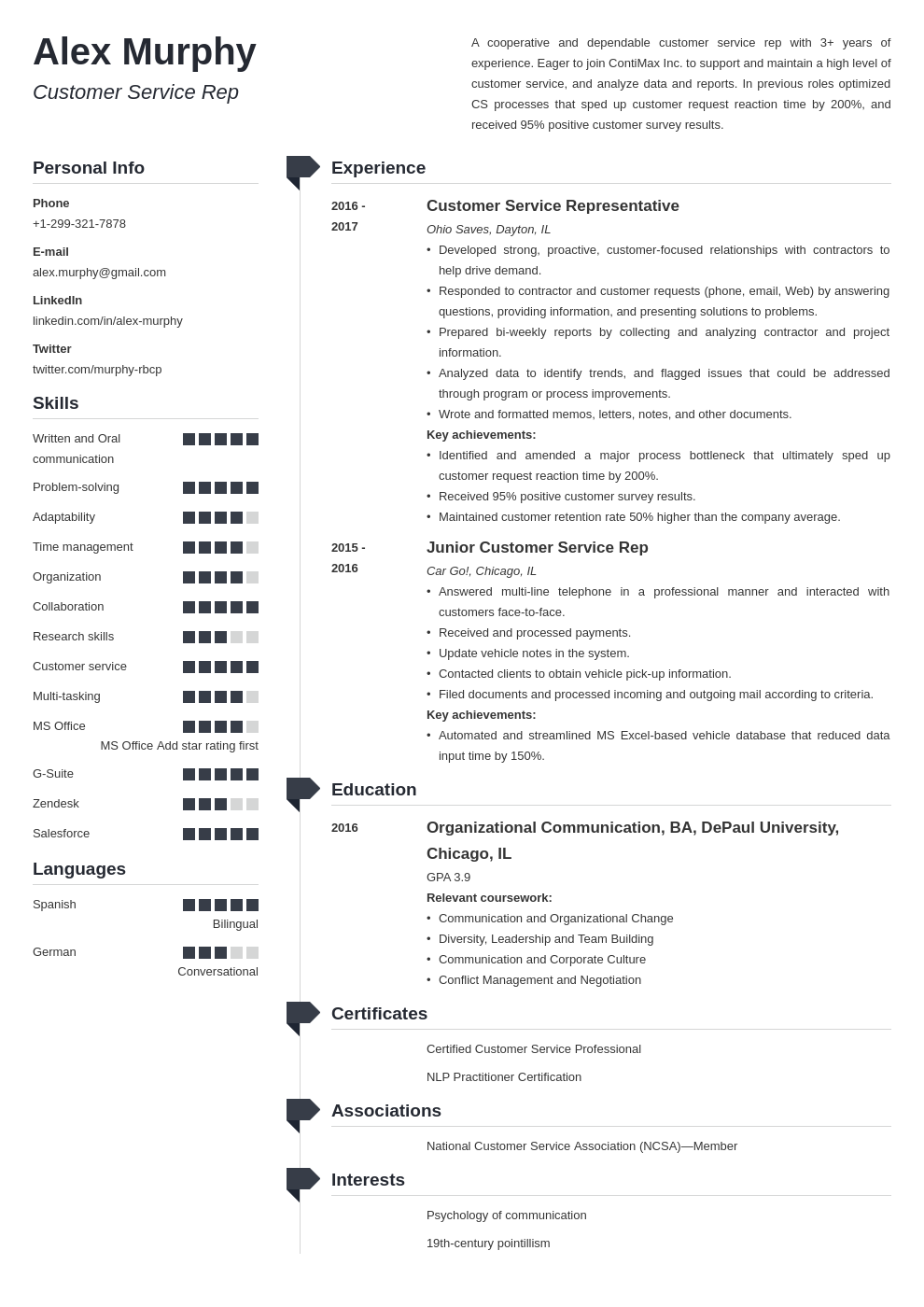
How to List Relevant Coursework on a Resume + Examples
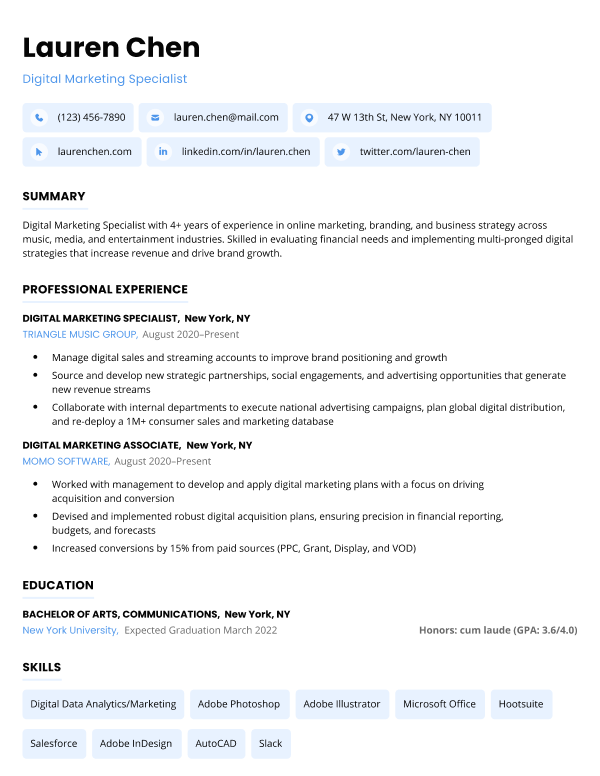
Resume Education Section Writing Guide and Examples (2023)
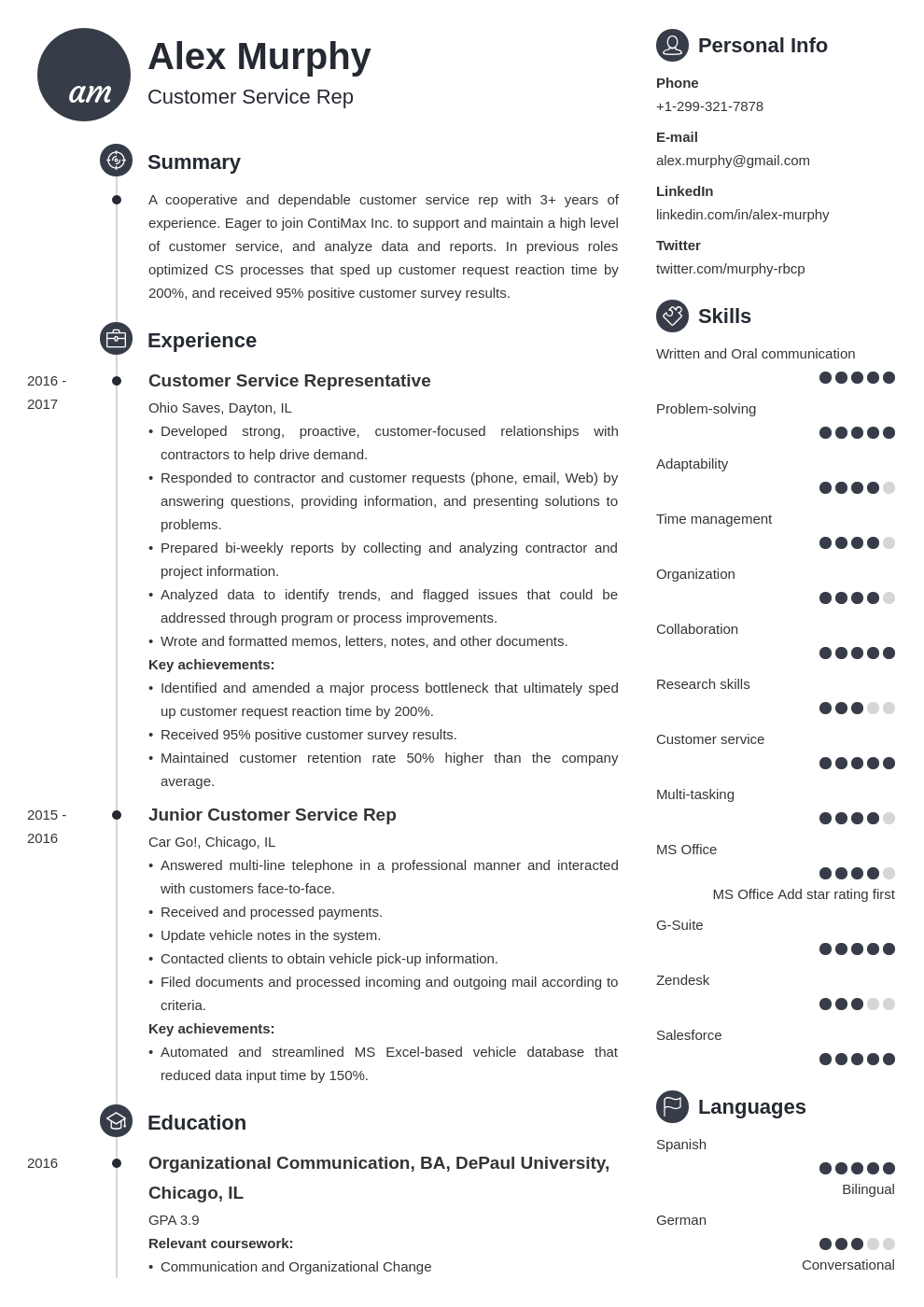
How to List Relevant Coursework on a Resume + Examples
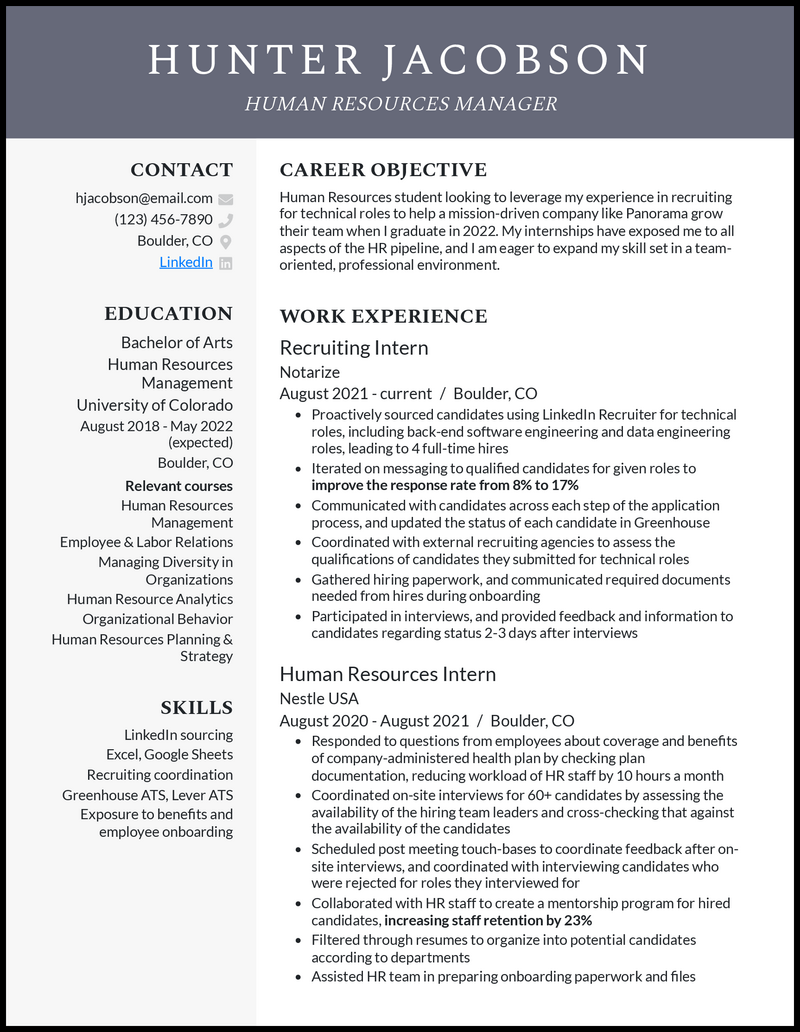
3 Current College Student Resume Examples For 2023
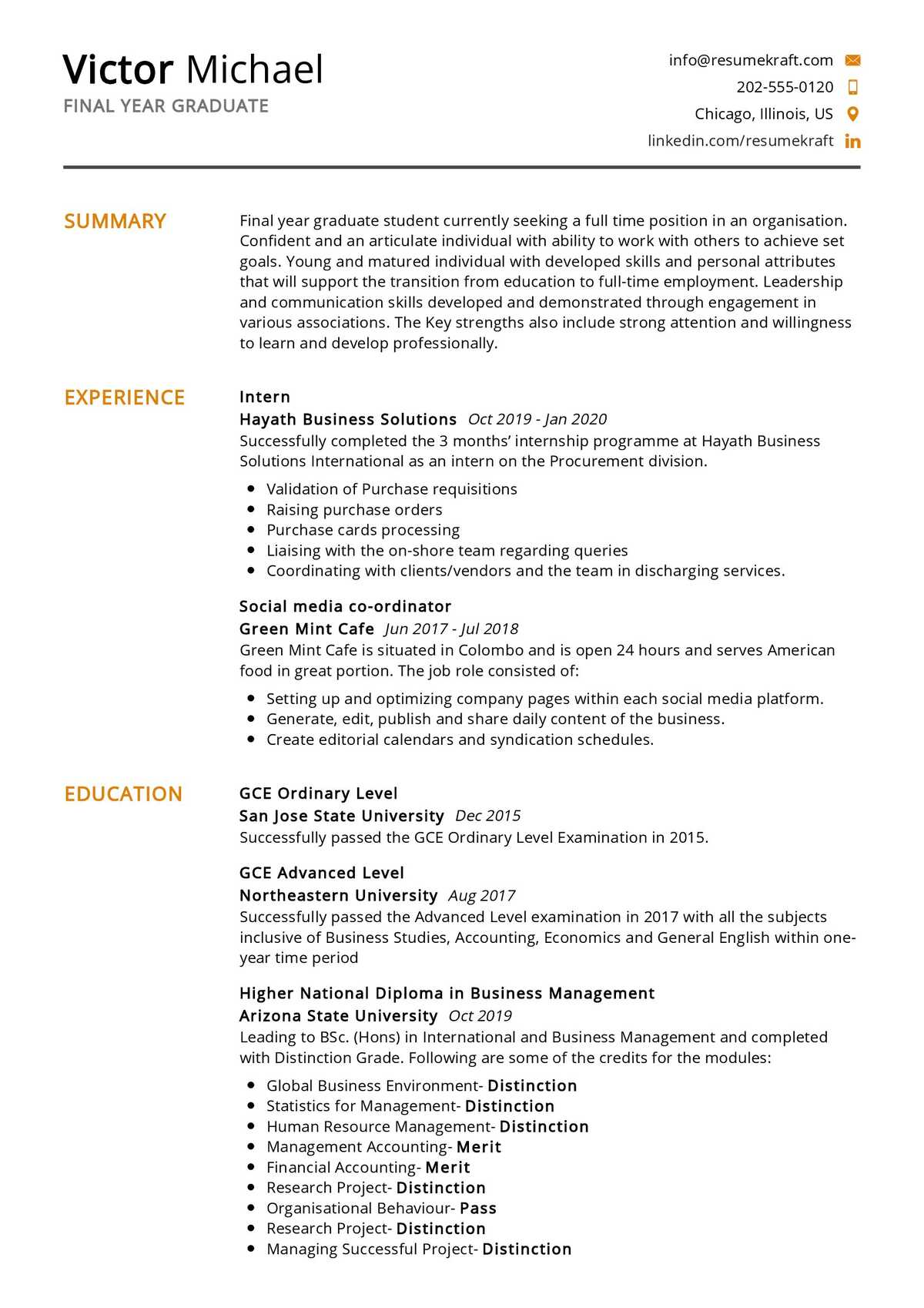
Mastering Your Recent College Graduate Resume A StepbyStep Guide in

Vocational Training Instructor Resume Examples and Tips Zippia
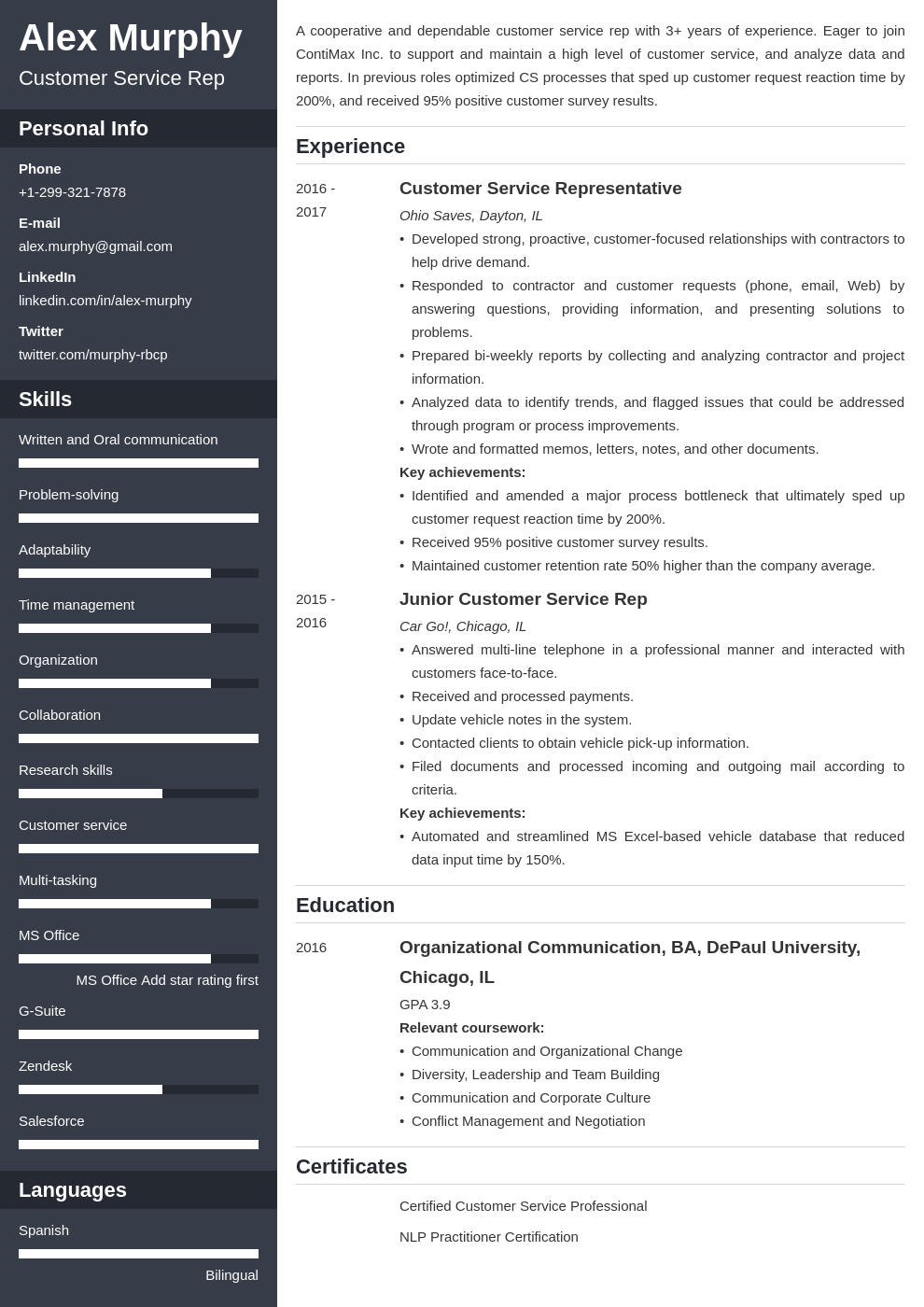
How to List Relevant Coursework on a Resume + Examples
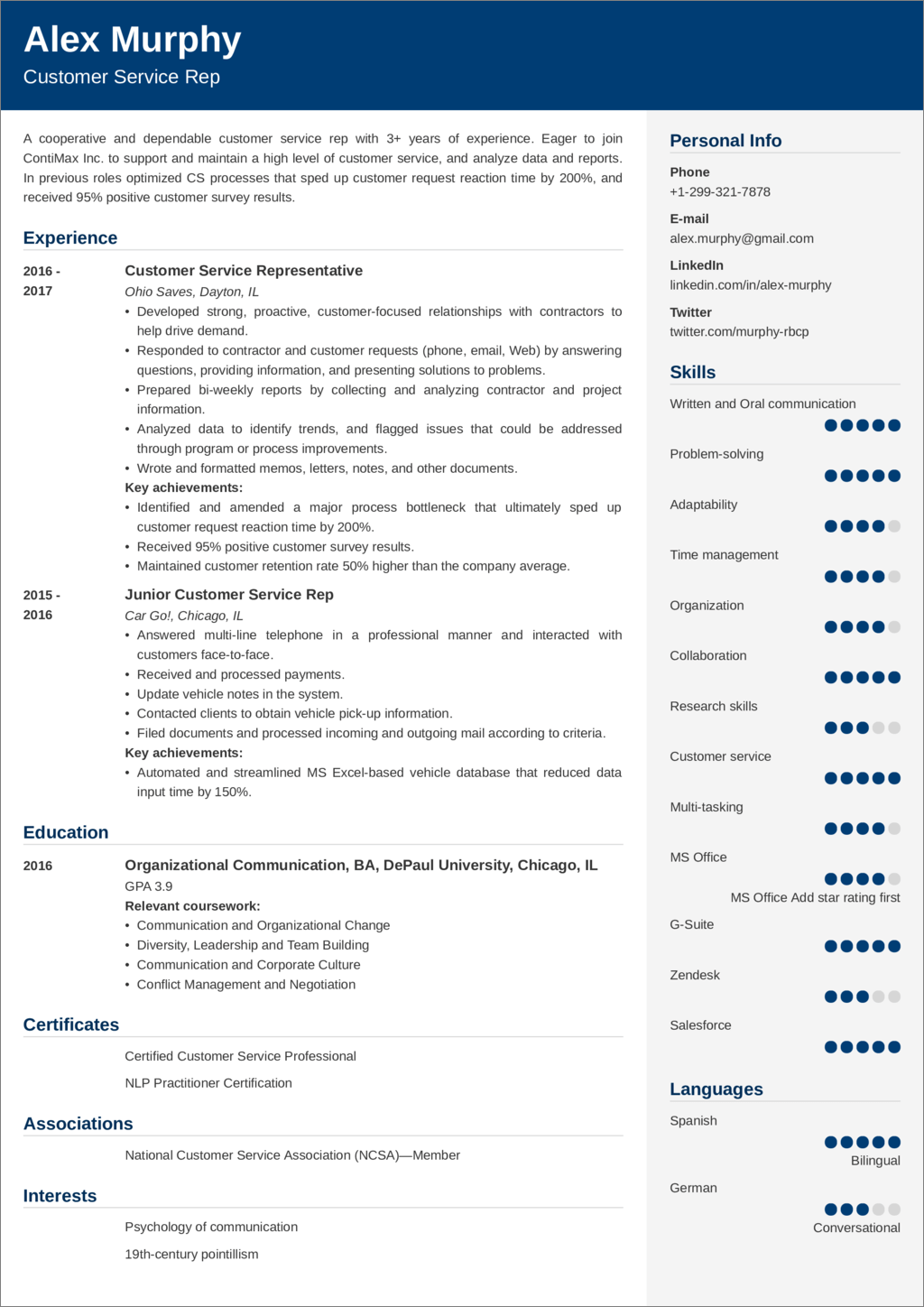
How to List Relevant Coursework on a Resume + Examples
![How to List Education on a Resume [+ Examples]](https://cdn-images.zety.com/pages/education_on_resume_template_iconic.png)
How to List Education on a Resume [+ Examples]
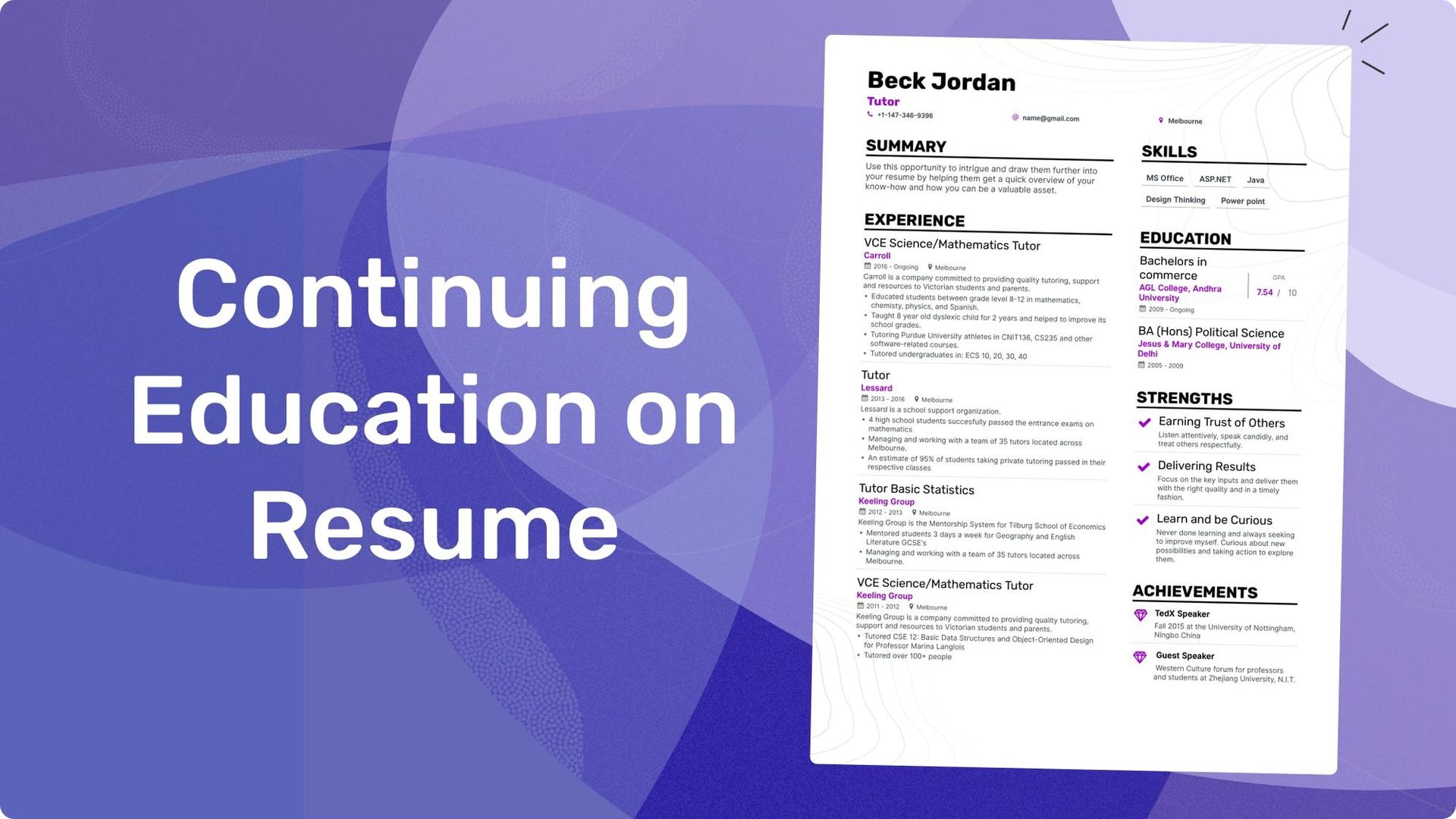
How to List Continuing Education on Your Resume Enhancv
You Should Only Include This If You’re Already In The Process Of Taking The Course.
If Your Only Professional Experience With.
Yes, I Would Put It On Your Resume And Go Ahead And Skim Through The Material.
It's Where You Can Immediately Convey To Employers Why You're A Strong Candidate For A Different Industry.
Related Post: